
Rembrandt House Museum
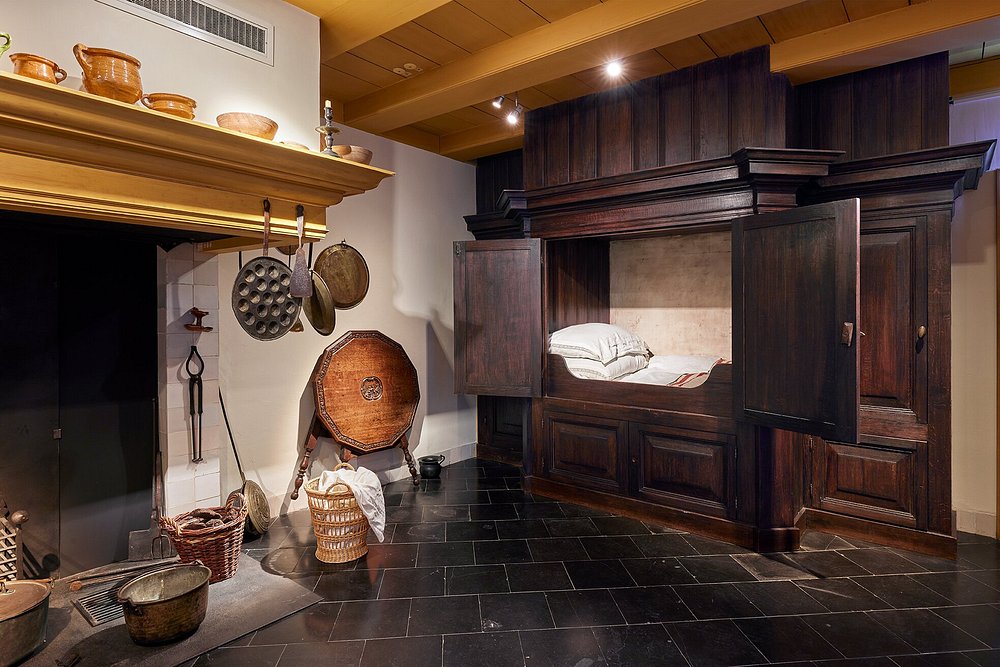
There are some museums in Amsterdam that make you feel at home when you step inside. The Rembrandt House Museum is one of the places that evokes this feeling most strongly. From the street, you see an ordinary 17th-century house. But once you enter, you get closer to the painter's daily life. Narrow corridors, wooden staircases, and dim lighting greet you. In one room, you can imagine the smell of paint. In another, you can almost hear the whispers of students. Engravings in glass display cases offer small but impressive details. The size of the house makes Rembrandt's world more human. "Great art" lives here not in huge halls, but in small rooms. Moreover, the museum stands quietly in the very heart of the city. Amsterdam It is one of the most distinctive stops among the museums.
Where and How to Get There?
The Rembrandt House Museum is located on Jodenbreestraat in the center of Amsterdam. The area around Waterlooplein is a good reference point for finding your way. Walking from Amsterdam Centraal is easy on most days. The walk offers a pleasant route through canals and narrow streets. If you're using the metro, Waterlooplein station is the closest option. There are also several tram stops nearby. You can approach by bicycle, but caution is advised in the narrow streets. The area in front of the museum is generally quiet, but it can get crowded during opening hours. Cafes and small shops nearby are convenient for a break. The location is very practical for those searching for "Amsterdam Rembrandt House".
Brief History
Rembrandt, Netherlands He is one of the most important masters of the Golden Age. During his years of fame, he began receiving large commissions in Amsterdam. It is believed that he bought this house in 1639. He both lived here and established his workshop. He trained students, prepared prints, and painted pictures. The house was a production space intertwined with the art market of the time. However... small Problems increased later in his life. As debts grew, he was forced to sell the house. Rembrandt then moved to another neighborhood. Over the years, the house was used for different purposes and underwent changes. Later, the idea of a museum gained traction, and the building was restored. Today, the Rembrandt House Museum is a window into the artist's life.
Architectural and Artistic Features
The museum presents a typical Amsterdam townhouse layout. The narrow facade, high floors, and steep staircase are immediately noticeable. The rooms are not large, but their layout speaks volumes. The ground floor areas convey the rhythm of daily life. The upper floors are designed to evoke the idea of a workshop. Wooden beams clearly demonstrate the architectural sensibilities of the period. Window light creates an atmosphere conducive to painting. In the workshop section, materials illustrate the production process. Engraving and printing techniques are explained in some areas. Here you can better understand Rembrandt's study logic. The museum's print collection makes a big impact on a small scale. Black and white lines teach the play of light and shadow. The tranquility of the house allows for a more attentive reading of the works. Therefore, this is not a museum to be "quickly explored."
Visit Information
Visiting the Rembrandt House Museum is much more enjoyable with the right plan.
- Opening hours may vary depending on the season; please check for the latest information.
- Booking tickets in advance is convenient during busy periods.
- Indoor stairs are narrow, so choose comfortable shoes.
- Large bags can make movement difficult; go light if possible.
- The visit lasts between 60 and 90 minutes for most people.
- The lighting may be low in some sections, so it's best to proceed slowly.
- If there are showtimes, don't miss the print demo.
- Walking quietly is both respectful and more productive.
- If you are traveling with children, be careful on the stairs.
- The museum shop is interesting for its collection of engraving-themed items.
Photography Tips and Tricks
The best shots often start with the exterior. In front of the house, the narrow street perspective creates a strong composition. Morning light reveals the stone and brick texture more clearly. Cloudy weather softens shadows and enhances detail. Inside, shooting rules may change; follow the signs. Not using a flash is always a better choice. Wooden stairwells allow you to capture dramatic lines. In the workshop area, a wide angle enhances the sense of space. There may be reflections in the shop windows; adjust the angle to ensure clarity. For engraving details, try a static frame instead of a close-up. Take a short walk in the nearby streets on your way out. The area is also quite suitable for street photography.
Other Nearby Places to Visit
The area around the Rembrandt House Museum is ideal for exploring on foot. The Waterlooplein area offers a short break and a market atmosphere. Walking towards the Old Town, you'll see beautiful bridges between the canals. The Dam district provides a more lively central experience. The Red Light District is interesting in terms of history and urban culture. The Oude Kerk area reinforces the feeling of old Amsterdam. Extending your day towards Central Station will easily fill your time. Crossing to Jordaan will reveal quieter streets and boutique shops. Museumplein is a convenient route to the major museums. This area forms a very good backbone for an Amsterdam sightseeing plan.
The Rembrandt House Museum in Amsterdam brings the artist closer to the viewer. Here, Rembrandt is not a "legend," but a working master. Although the rooms are small, the story is big and its impact is lasting. If you go to Amsterdam, you should definitely visit this house. Also, check out our "Places to Visit in Amsterdam" article for more routes.
PREVIOUS TOPIC
NEXT TOPIC

Similar Threads

I always tell those planning a trip to Amsterdam for the first time the same thing: the greatest luxury in this city is staying in the right neighborhood without crowding the center and starting your first day by strolling along the canals. As someone who lives in Paris and frequently travels to European cities, Amsterdam has always seemed to me like one of those cities that "seems easy but can become expensive if planned incorrectly"...
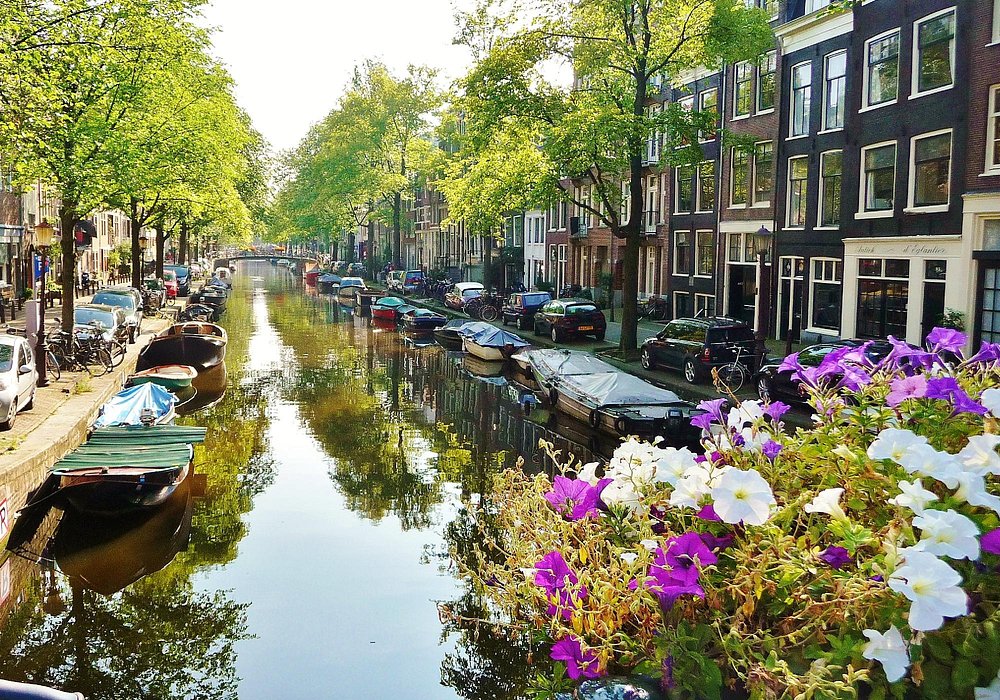
The best part of Amsterdam is sometimes hidden in its quietest streets. The Jordaan district offers just such a surprise. As you walk along the canals, the houses wink at you. You might see a sheer curtain in one window, a flowerpot in another. The streets are narrow, and the pace is surprisingly calm. A small smell of bakery around the corner draws you inside. A little further on...
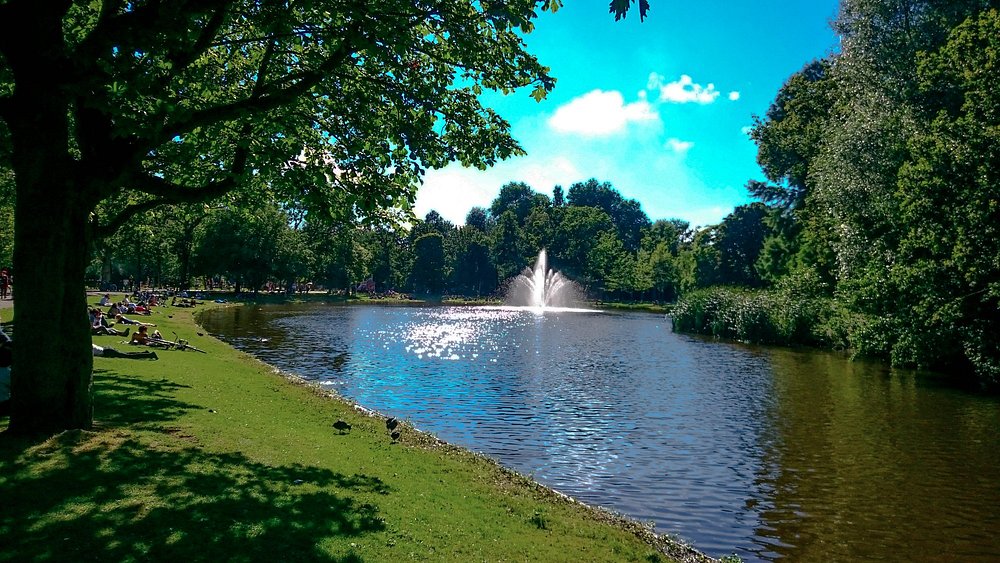
In Amsterdam, you'll want a breather between museum visits. That's when Vondelpark comes to the rescue. As soon as you step through, the birdsong makes you forget the murmur of the canals. Wide lawns, walking paths, and ponds beckon you throughout the day. Cyclists glide silently, children laugh on the bridges. You can sit on a bench and truly observe Amsterdam. The park softens the tourist crowds and offers a breathtaking view of the city...
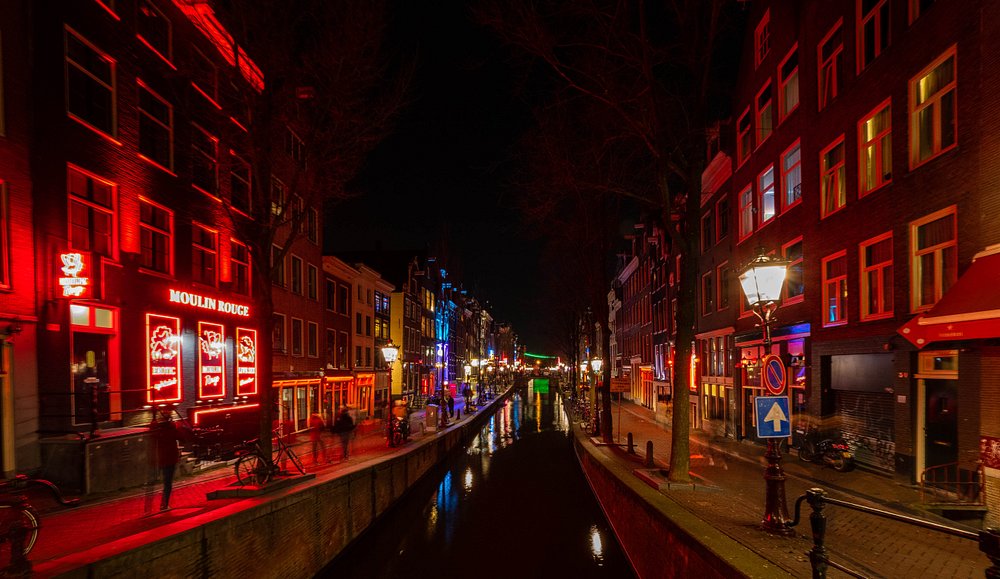
Amsterdam nights shine not only with lights, but also with stories. The Redlight District is the most talked-about place for these stories. The streets are narrow, and the atmosphere is surprisingly lively. First-time visitors are caught between curiosity, shyness, and admiration. Because this is a neighborhood that doesn't fit into a single mold. Historic canal houses stand side by side with neon lights. One...
In the bustling streets of Amsterdam, you sometimes come across a door. As soon as you step inside, the sounds suddenly subside. Begijnhof is a hidden island of tranquility in the heart of the city. The moment you step into the courtyard, the pace naturally slows down. The cobblestones bear the marks of centuries. The shadows of the trees fall gently on the facades of the houses. Here, Amsterdam is not a postcard, but a living memory. The people...
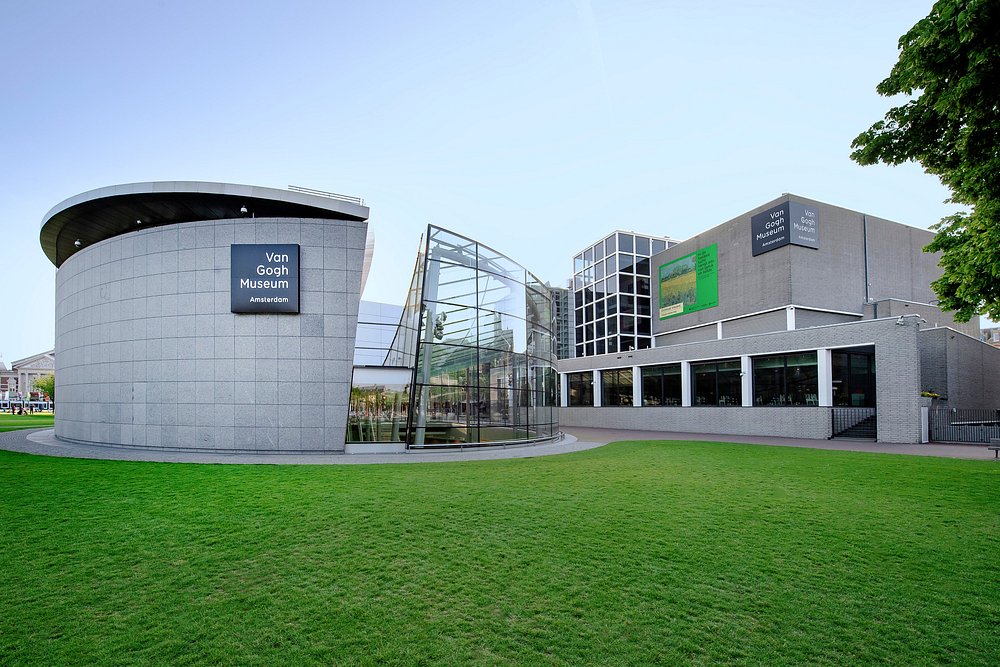
In Amsterdam, there are certain places that quietly draw you in. The Van Gogh Museum is exactly one such place. As soon as you step through, the city noise fades away. Colors, brushstrokes, and letters unfold before you. Vincent van Gogh's world unfolds here, step by step. You see not only his paintings but also the journey of his mind. In one room, hope shines, in another...
Write a Comment
Visitor Comments - 0 Comments