
Piraeus Travel Guide 2026: Where to Stay, What to Eat, What to See?

When I first arrived in Piraeus, what impressed me most was... IzmirIt reminded me of the port side of Izmir; a bit of an Alsancak morning, a bit of the hustle and bustle of the Pasaport ferry, and a bit of that salty wind that blows through you as you look across from Karşıyaka… But Piraeus isn't a spacious and relaxed coastal city like Izmir; it's a more crowded, busier port city, giving you more of a "the ferry is about to leave" feeling. Many people think of it only as a crossing point from Athens to the islands; I think that's a great injustice. If you plan the right walking route, in Piraeus you can fit museums, marinas, fish restaurants, hilltop views, and the island ferry all into one day.
First-time visitors might find Piraeus worth half a day, but I think it deserves a full day. Staying in Athens and coming for a day trip is the most practical option; taking the metro to Piraeus in the morning, having dinner by the sea in Mikrolimano in the afternoon, and returning to Athens in the evening is very enjoyable. If you're taking the ferry to the island, staying overnight in Piraeus will significantly reduce the stress of the morning.
Quick and Practical Information About Fleas
| Topic | Practical information |
|---|---|
| How many days is enough? | A quick half-day trip is ideal, one day is perfect, and one night is sensible if there's an island ferry. |
| Where should we stay the first time? | Close to the port, Dimotiko Theatro, Pasalimani, Mikrolimano |
| The best period | April-June and September-October |
| Currency | Euro |
| Card or cash? | Cards are common; cash is fine at small bakeries, taxis, and some taverns. |
| Urban transportation | Metro, tram, bus, walking, taxi |
| Daily budget | Economy 55–85 €, mid-range 100–160 €, comfortable 200 €+ |
| Security | Generally relaxed; be mindful of baggage and ticket rush around the port area. |
| Who is it suitable for? | Island travelers, seafood lovers, short Athens those who cheat |
| The most beautiful walk | Marina Zea–Pasalimani–Kastella–Mikrolimano line |
A 90-minute city pass in Athens costs €1,20. This ticket will suffice if you're arriving in Piraeus from central Athens by metro. If you plan to use the metro several times in the same day, a €4,10 day pass is more convenient. If you're traveling directly from the airport to Piraeus, a metro ticket costs €9, and the airport express bus is around €5,50.
When is the best time to visit Pire?
My favorite time to visit Piraeus is between April and June. The weather is perfect for walking, sitting by the sea is lovely, but the summer crowds haven't fully arrived yet. Just as I love May in Izmir, May in Piraeus gives me the same feeling: there's the sea, there's the sun, but that oppressive July heat hasn't arrived yet.
Piraeus is very busy in July and August. Island ferries, cruise passengers, people fleeing Athens, suitcases, taxis… The port is crowded even in the early morning hours. If you have a ferry during this period, it's a good idea to make it a habit to arrive at the port at least an hour early.
September and October are, in my opinion, the mildest months in Piraeus. The sea air is still lovely, the restaurants are open, and the Athens side is a bit quieter. Piraeus can also be visited in winter, but then the itinerary should be more focused on museums, seafood restaurants, and a walk along the harbor.
How to get to Pire?
The most practical way to reach Piraeus is by metro. From central Athens, you can easily get to Piraeus using the M1 or M3 lines. For those arriving from the airport, Metro Line 3 goes directly to Piraeus; Athens Airport also officially lists Line 3's connection between the city center and Piraeus as one of its transportation options.
When I travel to Piraeus from central Athens, I prefer to use the metro. It's both economical and you get off without having to worry about traffic. The €1,20 city ticket allows transfers for 90 minutes on the Athens-Piraeus line, which is a significant convenience. If you plan to return to Athens and then travel back out again during the day, a daily ticket becomes more sensible.
- From the airport to Piraeus: It takes about an hour by metro. The ticket costs €9.
- From central Athens to Piraeus: It takes 20-35 minutes from most locations by metro.
- By taxi: Comfortable, but can be slower than the subway during rush hour.
- From the cruise ship to the city: Depending on your destination port, you may need to walk, take a taxi, or use a port shuttle service.
Piraeus Port is large; don't think of it as easy as "I disembark and cross over" like Izmir's Alsancak Pier. Gates are spread from E1 to E12; E1–E10 is prominent for island ferries, and E11–E12 for cruise ships. Since the gates can change depending on the density, it's a good idea to double-check the gate number on your ticket once you're at the port. Blue Star's Piraeus port map also shows gates like E1, E6, E7, E8, and E9 being used for different island routes.
Piraeus City Transportation
Piraeus's city center is easily explored on foot, but don't underestimate the distances. Walking from the port to Mikrolimano is a nice walk, but it can be tiring in the sun. If I were you, I'd plan my route like this: first the area around the Dimotiko Theatre and the city center, then Pasalimani, followed by Kastella and Mikrolimano. I'd take a taxi or bus back.
If you've arrived at the port for the ferry, the walking time will vary depending on your gate. Some gates are close to the metro, while others require a considerable distance. At Piraeus Port, those arriving on foot can also use the free PPA shuttle service within the port; this is a lifesaver, especially for those going to gates further away.
There's no need to rent a car for a short trip to Piraeus. On the contrary, parking and traffic might spoil your experience. Taxis, the metro, and walking are all sufficient options.
How many days does it take to visit a flea farm?
Half day: If you have time before the ferry, a visit to Dimotiko Theatre, Marina Zea, a short walk to Pasalimani, and a coffee break will suffice.
- 1 days: The best time to visit Piraeus. You can fit the Archaeological Museum, the Maritime Museum, Pasalimani, Kastella, and Mikrolimano into one day.
- 1 night: It makes perfect sense for those who have an early morning ferry to the island. Staying in Piraeus is more convenient than arriving early in the morning from Athens with all your luggage.
- 2 days: Piraeus + Aegina is ideal for a day trip. Taking the ferry to Aegina in the morning and returning to Piraeus in the evening would be wonderful. On the slower ferry between Piraeus and Aegina, an adult ticket is around €12; faster options can be more expensive.
Where to stay in Piraeus?
When choosing accommodation in Piraeus, the first question to ask is "why am I staying there?". Is it for the island ferry, to explore Piraeus, or because you've found a more affordable hotel compared to Athens?
| Area | Who is it suitable for? | Plus | Attention |
|---|---|---|---|
| Port area | Those who have an early morning ferry | Quick access to the ship | Some streets aren't very pleasant at night. |
| Dimotiko Theatre | First-time visitors | Metro, square, and city center nearby. | The walk varies depending on the port gate. |
| Pasalimani / Marina Zea | Those who want a walk along the seaside | A nicer atmosphere | Hotel prices may increase depending on location in the city center. |
| Microlimano | For those who want a romantic dinner and a view | Fish restaurants, marina atmosphere. | Going directly to the port might not be very practical. |
| Athens city center | Those visiting Piraeus for a day trip | More hotels and nightlife. | You need to leave early for the morning ferry. |
If I'm going to catch the ferry early in the morning, I'd choose a hotel near the port but within walking distance of the metro. If I'm just exploring Piraeus for pleasure, I prefer Marina Zea or Pasalimani. These areas have a seaside atmosphere; for someone from Izmir, it's much better than the crowded port.
Places to visit in Piraeus
Port of Piraeus
Piraeus Port is the heart of the city. It's not just ships here; there's the sound of luggage, taxi horns, passengers buying coffee, those heading to the islands in the cool morning air, and those returning tired in the evening… To understand Piraeus, you need to linger at the port. As one of Europe's busiest passenger ports, it might seem complicated to first-time visitors; but if you read your ticket correctly, the system works.
Average time: 30–60 minutes
Best time: Early in the morning or in the late afternoon
Practical note: Check your ferry gate as soon as you arrive at the port, not at the last minute.
Dimotiko Theatre
The Municipal Theatre in the center of Piraeus is one of the city's finest neoclassical buildings. If you see it as you exit the metro, you'll immediately realize Piraeus is more than just its port. Following restoration, its stage and interior layout have transformed it back into a hub of cultural life. Destination Piraeus notes that the theatre is one of the few examples in Europe where Baroque theatre mechanisms have been largely preserved.
Archeology Museum
The Piraeus Archaeological Museum, while overshadowed by the larger museums in Athens, is a very valuable stop. Bronze sculptures, tomb steles, and artifacts illustrating the ancient port identity of Piraeus can be seen here. Paying €10 for entry and spending about 1-1,5 hours inside is, in my opinion, a good balance. The museum is closed on Tuesdays; its opening hours are 09:00–17:00 during the summer and 08:30–15:30 during the winter.
Hellenic Maritime Museum
In my opinion, skipping the maritime museum in Piraeus is a must. As someone who lives by the sea in Izmir, seeing Greece's maritime history in Piraeus was very meaningful. General admission is €5, discounted tickets are €3. The museum is open Tuesday-Saturday from 09:00 to 14:00; closed Sunday and Monday.
Marina Zea and Pasalimani
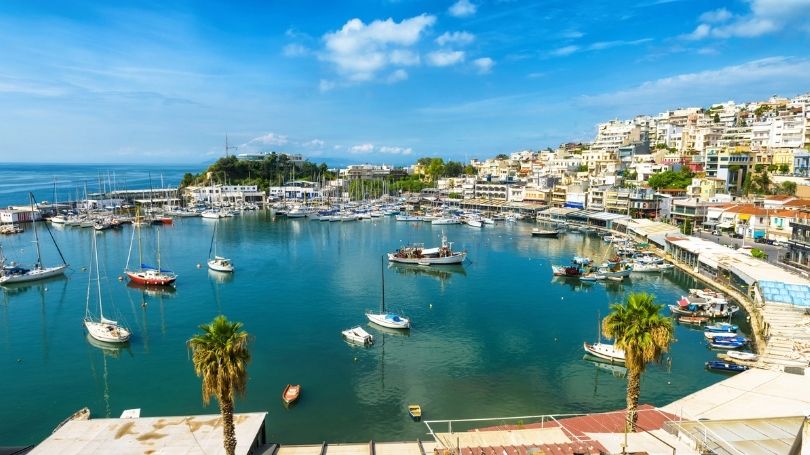
The Marina Zea/Pasalimani area is the more livable, more "evening stroll" side of Piraeus. Boats, cafes, seafood restaurants, people walking along the shore... To me, it's not quite like the Kordon in Izmir, but more like a smaller version of Bostanlı and Marina. On a short trip to Piraeus, walking here from the harbor area changes your perception of the city.
Castella
Kastella is Piraeus's hilltop neighborhood. As you climb up towards Mikrolimano, white houses, narrow streets, and sea views begin. It's one of the most photogenic parts of Piraeus. This Is Athens describes Mikrolimano as a more upscale port area below Kastella, with a more island atmosphere.
Microlimano
Mikrolimano is Piraeus's most delightful spot for food and views. Around the small harbor are fish restaurants, cafes, and boats that look beautiful in the evening light. Prices might be higher here than in the harbor center, but the atmosphere is much nicer. Going there near sunset and sitting at a table by the sea is the sweetest ending to a Piraeus trip.
Votsalakia Beach
If you want to swim in the sea in Piraeus, Votsalakia is a quick and practical option. It's not a place to go expecting an island beach; think of it as a short sea break within the city. It can get crowded in the summer, but it's convenient for those who want to "touch the sea without leaving Athens."
1, 2 and 3-Day Trip Itineraries to Piraeus
1-Day Piraeus Route
- Morning: Take the metro to Dimotiko Theatre. Take a short walk around the Municipal Theatre, then proceed to the Archaeological Museum.
- Noon: Walk towards Marina Zea. Visit the Maritime Museum and have a coffee break in Pasalimani.
- Afternoon: Explore the streets of Kastella and take photos from the viewpoints.
- Evening: End your day at Mikrolimano with fish, meze, or seafood pasta.
2-Day Piraeus Route
- Day 1: Piraeus city center: Archaeological Museum, Maritime Museum, Pasalimani, Kastella, Mikrolimano.
- Day 2: Take the ferry to Aegina in the morning. Explore Aegina town center, do some pistachio shopping, and enjoy a short break by the sea before returning to Piraeus in the evening.
3-Day Piraeus Route
- Day 1: Piraeus city route.
- Day 2: Aegina or Agistri day island getaway.
- Day 3: Central Athens, Acropolis the surrounding area or the coastline between Stavros Niarchos Foundation Cultural Center and the coastline.
Stops to mark on the map: Piraeus Port, Dimotiko Theatre, Archaeological Museum, Hellenic Maritime Museum, Marina Zea, Pasalimani, Kastella, Mikrolimano, Votsalakia Beach, ferry gates, Aegina ferry point.
What is edible with fleas?
When it comes to food in Piraeus, seafood is the first thing that comes to mind, but it shouldn't be limited to just fish. This is a port city; pastries in the morning, souvlaki at lunchtime, and meze and fish in the evening are all very natural occurrences.
- Squid and shrimp: Classic Pire order. It comes fried or grilled.
- Red mullet / small fish: It stands out in old taverns like Margaro's.
- Octopus: Grilled octopus is a great appetizer, but it can quickly raise the price.
- Greek salad: Tomatoes, cucumbers, onions, olives, feta cheese. One of the best dishes for hot weather.
- Souvlaki / gyros: Quick and economical meals around the port.
- Ouzo-meze: It's great for those who want to take a leisurely meal by the sea in the afternoon.
- Frappe / freddo espresso: The most practical way to take a coffee break in Greece.
My meal plan in Piraeus is as follows: cheese pastry and coffee from the bakery in the morning, quick souvlaki at lunchtime, and seafood in Mikrolimano or Pasalimani in the evening. This way, both budget and enjoyment are balanced.
Where to Eat Pire? Restaurant Recommendations
Margaro – A seafood classic
Margaro is one of Piraeus's best-known old-school seafood taverns. The menu isn't complicated; shrimp, small fish, salad, bread, and a simple but clear layout. If you don't want expensive fine dining in Piraeus, this is a more understated and characterful choice. Recent local reviews also highlight Margaro's menu's focus on a limited but strong selection of items such as shrimp, crayfish, red mullet/striped mullet, and salad.
- What can be tried? Fried shrimp, small fish, Greek salad
- Price level: Medium
- Best time: Noon or early evening
- Practical note: Expect old-fashioned tavern-style service, not fancy ones.
Yperokeanio – A beloved meze and fish restaurant in Piraeus.
Yperokeanio is my favorite type of place for seafood and meze in Piraeus: not too fancy, you just want plate after plate of food brought to the table. This Is Athens also highlights it as one of the places that offers quality seafood at a reasonable price.
- What can be tried? Taramosalata, sardines, mussels, octopus, meze platters
- Price level: Medium
- Best time: Dinner
- Practical note: Going with a large table is more enjoyable; you can share a few appetizers.
A private evening at Varoulko Seaside – Mikrolimano.
Varoulko Seaside in Piraeus is one of those places where you want to make "tonight special." It's known for the seafood cuisine of Michelin-winning chef Lefteris Lazarou. It shouldn't be considered a cheap tavern, but rather a place offering a fine dining experience with stunning views.
- What can be tried? Seafood tasting platters, fish, modern Greek dishes.
- Price level: Comfortable/Luxurious
- Best time: Sunset and evening
- Practical note: A reservation would make sense.
Microlimano fish restaurants
Even if you don't choose individual restaurants in Mikrolimano, you can walk along the coast and decide by looking at the menus, tables, and crowds. Here, a seafood dinner for two can easily cost between €70 and €120. If you're ordering fish by the kilo, it's a good idea to ask for the total price upfront.
Port area souvlaki
In Piraeus, gyros/souvlaki are a good option for a quick and economical meal. Expecting gyros in the €3,50–€5 range on the streets near the port is realistic. Recent reviews mention gyros for €3,40 at Street Souvlaki in Piraeus; these kinds of places are great for a quick bite before the island ferry.
What to buy for fleas?
Piraeus isn't a huge shopping destination; but there are nice stops to pick up small, local things.
- Aegina pistachio: If you go to Aegina, be sure to buy some. You can also find packaged products around Piraeus.
- Olive oil and olives: A classic but nice gift to give when returning from Greece.
- Sea-themed objects: Small ceramic items, ship figurines, magnets, and postcards are available.
- Local drinks: A great option for those who like ouzo or tsipouro.
- Coffee: Greek coffee or frappe blends would make a light gift.
For a wider range of shopping, Athens city center is better; in Piraeus, I'd budget more for food, drinks, and seafood.
What to do about fleas?
The best thing to do in Piraeus is walk. Instead of just taking the ferry from the port, stroll to Marina Zea, Pasalimani, Kastella, and Mikrolimano. That's when the city truly opens up.
Visiting the Maritime Museum is excellent for understanding the spirit of Piraeus. The Archaeological Museum is especially suitable for those who prefer a quieter museum experience. A day trip by ferry to Aegina also turns a Piraeus trip into a mini-island experience. A Piraeus-Aegina adult ticket on the Saronic Ferries line costs €12; a separate fee applies for vehicles.
Piraeus Nightlife
Piraeus's nightlife isn't as extensive as Athens', but it's lovely for spending an evening by the sea. Around Mikrolimano, Pasalimani, and Marina Zea, there are bars, restaurants, and places to have cocktails. I think of a night in Piraeus more as a long meal and a stroll along the seafront, rather than a night out in a club.
For those who want a more lively nightlife, Athens city center is better. Psiri, Gazi, Koukaki, and Kolonaki offer more options. But having ouzo and meze by the sea on a summer evening in Piraeus is, in my opinion, calmer and more Aegean than an Athenian night.
Piraeus Festivals and Events
In Piraeus, events mainly revolve around theatre, concerts, maritime-themed programs, and are linked to the Athens metropolitan calendar. The Municipal Theatre periodically hosts plays and concerts. During the summer months, outdoor activities along the coastline and around Athens can also be added to a Piraeus overnight stay itinerary.
During the peak summer months when island ferries are frequent, Piraeus itself becomes a bustling scene. The port is particularly crowded on Friday evenings and Saturday mornings; at these times, it's better to plan a transfer rather than a sightseeing trip.
Piraeus Holidays and Closures
In Greece, museum, restaurant, and transportation schedules may change during public holidays. If you plan to visit museums, pay particular attention to Monday-Tuesday closing times. The Piraeus Archaeological Museum is closed on Tuesdays, while the Hellenic Maritime Museum is closed on Sundays and Mondays.
While some shops may be closed on Sundays, don't expect a completely deserted city in terms of cafes and restaurants. The port, however, remains busy due to island ferry services; nevertheless, it's a good idea to check ferry times in advance, especially on holidays.
Piraeus Travel Budget and Current Prices
| Expense item | Economic | intermediate level | Comfortable/Luxurious | Not |
|---|---|---|---|---|
| Athens city ticket | 1,20 € | €4,10 per day | €8,20 for 5 days | For metro, tram, bus |
| Airport–Piraeus metro | 9 € | €16 round trip | €20 3-day tourist ticket | Airport separate fee. |
| Airport express bus | 5,50 € | 5,50 € | Taxi/transfer | Useful for nighttime arrivals. |
| Archeology Museum | 10 € | 10 € | A guided tour can be added. | Closed on Tuesdays. |
| Hellenic Maritime Museum | 5 € | 5 € | Private guided tour | Open Tuesday-Saturday |
| Coffee | €2,5–4 | €4–6 | 7 €+ | Increases around the marina |
| Gyros / souvlaki | €3,5–5 | €6–9 per plate | 10 €+ | Economical around the port |
| Simple lunch | €10–15 | €18–25 | 30 €+ | It will increase if appetizers are added. |
| Fish and meze dinner | €25–€40 per person | €45–€70 per person | 80 €+ | Prices will increase in Mikrolimano. |
| Piraeus-Aegina ferry | Around €12 | The fast ferry is higher. | By car, around +€29 | It varies depending on the flight and the company. |
| Hotel | €60–100 | €110–180 | 220 €+ | Increases during ferry season. |
In Piraeus, most money is spent on food and transfers. If you use the metro for transportation, choose which museums to visit, and opt for a shared meze-salad-seafood menu instead of fish for dinner, your budget will stay balanced. If you get a table with a view at Mikrolimano, you should accept from the start that you're paying not just for the food, but also for the location.
Piraeus Travel Map
Things to Consider When Traveling to Piraeus
If you're arriving in Piraeus for the ferry, don't underestimate the gate distance. Walking to the wrong gate with luggage in hot weather can be very tiring. Check the gate number on your ticket, look at the electronic boards in the port, and use the port shuttle if necessary.
Even in the mornings during the summer, it can be very busy. Getting coffee, using the restroom, and finding a gate before the ferry departs takes time. If I were you, I'd arrive in Piraeus early on the day I'm going to the island, get my coffee, and then go to the gate.
If fish is sold by the kilo at restaurants, ask for the total price upfront. Ordering appetizers like "a little of this, a little of that" is great, but the bill will add up quickly. If you're taking a taxi, especially around the harbor, using an app or a clear route will make things easier.
Piraeus city center can be a bit tiring for families with children; Marina Zea, Pasalimani, and Mikrolimano are more enjoyable. Older travelers should avoid the Kastella hills during the hottest part of the day.
Piraeus is more than just Athens' ferry port; if you look closely, it's a beautiful destination in itself with its sea, history, seafood restaurants, and marina walks. As someone living in Izmir, I loved the port atmosphere the most in Piraeus: the hustle and bustle of the ferries, the smell of salt, the morning coffee, the evening seafood dinner… First-time visitors should allocate a full day. If there's an island ferry, staying overnight in Piraeus is very practical. The best plan, in my opinion, is this: museum in the morning, a marina walk at noon, seafood at Mikrolimano in the evening, and the Aegina ferry the next morning.
PREVIOUS TOPIC
NEXT TOPIC

I'm a travel writer living in Izmir with my daughter. For me, travel is more than just a vacation; it's a way to get to know the world up close. That's why I see every place I write about with my own eyes and walk the streets myself. On the one hand, thanks to the trips I take with my daughter, I know the practical side of family travel well, and on the other hand, I eagerly observe local life, cuisine, and lesser-known routes. At Gezimaris, I simplify these experiences and transform them into plannable, realistic, and inspiring guides.
Similar Threads
Piraeus, one of Greece's largest and the Mediterranean's busiest ports, is often seen as a gateway to Athens, but it actually possesses a deep history and vibrant urban fabric that deserves to be explored in its own right. This port city, which has opened its doors to the world since ancient times, is steeped in Greek mythology...
Write a Comment
Visitor Comments - 0 Comments