
Neva River Banks
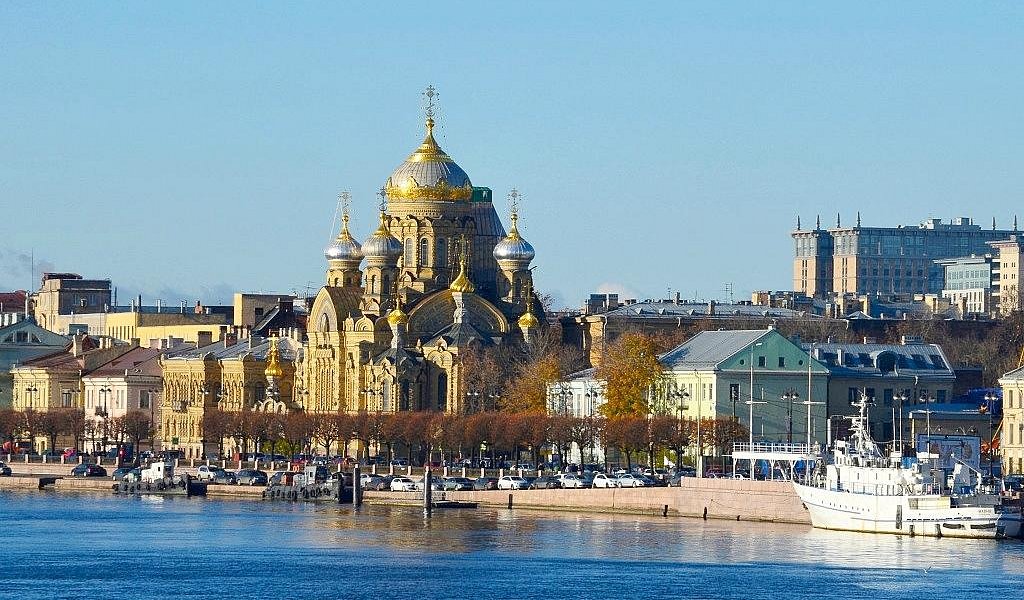
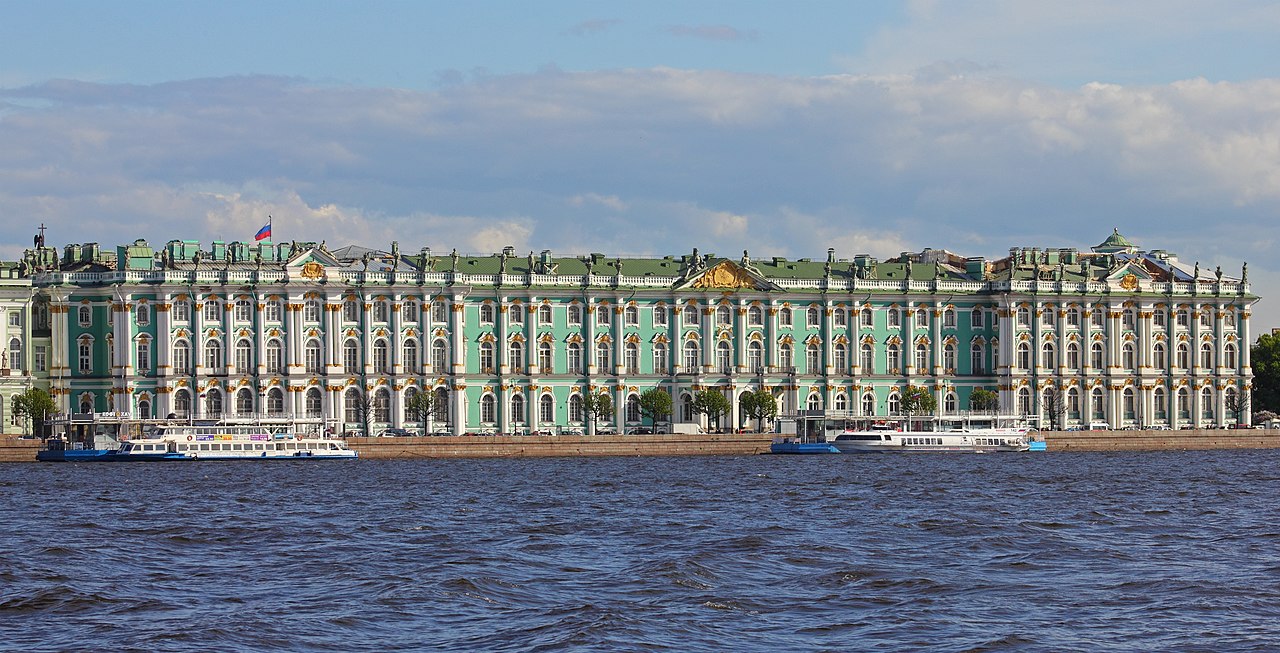
The banks of the Neva River offer a promenade in the heart of Saint Petersburg. Here, the city breathes, slowing down to the rhythm of the water. During the day, the light reflecting off the granite embankments is dazzling. In the evenings, the bridges are illuminated, and the surface of the water is like silk. You find a bench, sit and gaze for a long time. Cyclists pass by, tourists stop to take photos. Sometimes a boat glides by, the sound of waves crashing against the rocks. Palace facades and old mansions line the shore. Every corner whispers a different story of Saint Petersburg. During the White Nights, the city hardly sleeps. In winter, the Neva embankment is harsher, more poetic. A walk along the Neva Embankment is the best way to get to know the city.
Headlines
Where and How to Get There?
The banks of the Neva River form a wide stretch in the city center. The most popular section is concentrated around the Palace Bank. You can easily walk to the bank from around Nevsky Prospekt. The Admiralteyskaya metro station is one of the most practical options to the center. The Sportivnaya side offers a beautiful starting point for island views. The Vasileostrovskaya area is suitable for a walk along the University Bank. The bridges make it easy to navigate between the two banks. The Palace Bridge is a favorite for sunset walks. Navigation along the bank is also convenient; you can use the water as a reference. You can even walk "always parallel to the water" without opening a map.
Brief History
The Neva River is at the very heart of the city's founding concept. Saint PetersburgDesigned in 1703 as a window to the west, the Neva River's tributaries, islands, and canals shaped this plan. In earlier times, the shores appeared more natural and scattered. Over time, stone fortifications were built, clarifying the coastline. Granite dikes became widespread in the 18th and 19th centuries. These dikes acted as a flood defense wall, while also giving the city a "regular" silhouette. Palaces overlooking the banks reflected the power of the state and the nobility. The line you walk along today is a living trace of that long urbanization. The Neva riverbank tells the history of St. Petersburg step by step.
Architectural and Artistic Features
When you think of the Neva River banks, the first thing that comes to mind are the granite embankments. The grey stone harmonizes with the blue of the water in every season. You can see cast iron details on the railings. Classical motifs and rosettes stand out in some sections. The facades along the bank are like an open-air museum. Baroque, neoclassical, and eclectic styles stand side by side. Columns, arched windows, and decorations can captivate your eyes. The metalwork on the bridges also adds a separate aesthetic layer. Especially in the evening light, the bridge lines appear even more sculptural. The pedestrian walkway is wide, providing space to stop and admire. Sometimes, a staircase takes you even closer to the water level. This proximity makes the Neva Embankment experience special.
Visit Information
The banks of the Neva River are an enjoyable open space at any time of day.
- Entrance fee: It's free and it's a city walking route.
- Visiting hours: 24 hours is suitable; hours with lights are more enjoyable.
- Best period: It is very popular between the end of May and July.
- White Nights: It can be bright even late at night.
- Winter season: The wind gets stronger, so an accessory to protect your face is a good idea.
- Average time: It can easily be planned between 1-3 hours.
- Security: Check your belongings in crowded areas, especially in the city center.
- Walking surface: Stone floors can be slippery when wet.
- Rest: Benches and wide viewing areas are common.
- Transportation: It is easily connected to different neighborhoods via bridge crossings.
Photography Tips and Tricks
The most classic framing is the wide panorama taken along the Palace River. The silhouette of Peter and Paul's Castle on the opposite bank is strikingly visible. Stand on the Palace Bridge and capture both banks in the same frame. The golden hour creates warm tones against the granite stones. Don't worry, photos turn out dramatic even on cloudy days. Boat lights leave beautiful traces in night shots. You can try long exposures in moving water; a tripod works well. If there's wind, lower your tripod to reduce vibration. If you're shooting portraits, it's better to keep the background simple. Try using the shore railings as a "frame." And don't forget the areas under the bridges; the lines are very impressive. Early morning hours are ideal for shooting without crowds. In winter, contrast increases in icy landscapes, so control the exposure.
Other Nearby Places to Visit
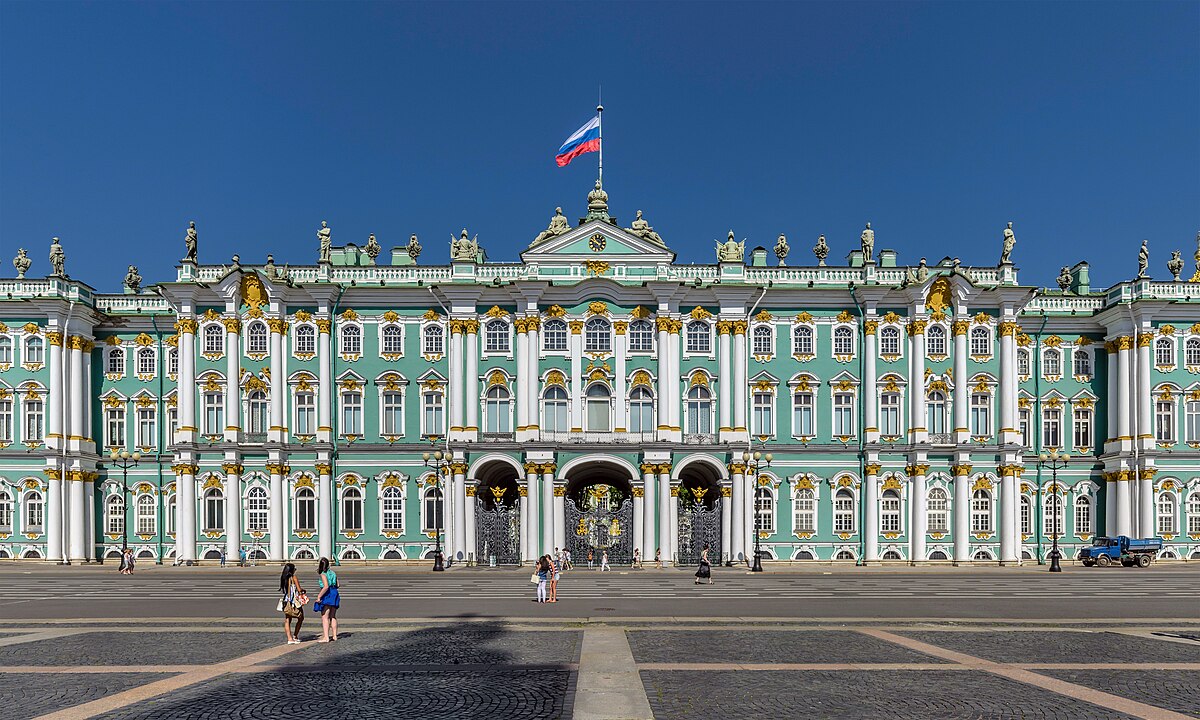
The banks of the Neva River connect many landmarks. Hermitage Museum And Palace Square is a stop very close to the waterfront. The Bronze Horseman statue is within a short walk. St. Isaac's Cathedral, with its dome, provides a visual destination for the walk. New Netherlands The island is perfect for those who want to take a break and have a coffee. Vasilievsky Island features museums and old institutional buildings. The area around the Kunstkamera is ideal for establishing a cultural route. Peter and Paul Fortress on the opposite bank completes the view. The areas around the bridges become more lively in the evenings. Combining a stroll along the shore with a canal tour is also a good idea.
If you go to Saint Petersburg, add the banks of the Neva River to your list. The best way to understand a city is to walk near its water. The Neva riverbank offers scenery, history, and rhythm. For more routes, see my article "Places to Visit in Saint Petersburg". When you return from your trip, let me know your favorite part of the riverbank.
PREVIOUS TOPIC
NEXT TOPIC

Similar Threads




Write a Comment
Visitor Comments - 0 Comments