

London Travel Guide 2026: Where to Stay, What to Eat, What to See?
Looking at London from Paris, the city's greatest strength immediately becomes apparent: there isn't "one London"; there's a royal route, a museum route, a market route, a theatre route, a pub route, and another London that changes neighborhood by neighborhood. For first-timers, 3 days is the most balanced time; the classic center can be seen in 2 days, while those who allocate 4-5 days can get a better feel for the city by exploring areas like Notting Hill, Shoreditch, Greenwich, and Hampstead. When planning my London trip, I generally consider accommodation based on transportation links: Covent Garden, Soho, South Bank, King's Cross, Paddington, and South Kensington make things much easier for short trips.
London in 2026 won't be a cheap city; however, with the right itinerary, free museums, and a contactless transport system, the budget can be controlled. Those traveling with a Turkish passport should also plan their visas in advance. GOV.UK in the current carrier guide Turkey, United KingdomIt is among the countries that require a visa for entry or transit, and the Standard Visitor visa costs £135 for stays up to 6 months.
Quick and Practical Facts About London
| Topic | Short Note |
|---|---|
| How many days is enough? | For first-time visitors, 3 days is ideal; 2 days on a fast, classic route, and 4-5 days at a more leisurely pace. |
| Where should we stay the first time? | Covent Garden, Soho, South Bank, King's Cross, Paddington, South Kensington. |
| The best period | May-June and September-October; the weather is more stable, making walking more enjoyable. |
| Currency | British pound, GBP. |
| Card or cash? | Cards are very common; contactless cards are lifesavers in transportation. |
| Urban transportation | Tube, Elizabeth line, bus, DLR, Overground, walking. |
| Average daily budget | Excluding accommodation, budget options are £55-80, mid-range £90-140, and casual travel £160+. |
| Security | Beware of pickpocketing in tourist areas; just avoid deserted streets late at night. |
| Log out | English makes communication easier in tourist areas. |
| Power outlet/internet | UK type G socket; eSIM Or roaming must be set up in advance. |
In London, the most practical way for me to get around is still not buying individual tickets, but using contactless cards for entry and exit. TfL describes the pay-as-you-go system as the easiest payment method for visitors; the same system has daily and weekly limits. For 2026 adult fares, the daily limit for Zones 1-2 is £8.90, and for Zones 1-6 it's £16.30; so I roughly plan a day of heavy subway use in the city center around this limit.
When is the best time to visit London?
If I were going to London for the first time, I would choose May, June, September, or October. For someone used to sudden spring rains in Paris, London's weather isn't a surprise; however, here, rain is more likely to rearrange the itinerary than to cancel it. A flexible plan—a British Museum visit in the morning, a walk in Westminster in the afternoon, and Soho in the evening—is the best approach.
Summer is lively but expensive; hotel prices and queues at popular attractions rise, especially in July and August. Winter, however, is lovely for museums, theatre, pubs, and Christmas lights. Visit London particularly emphasizes bringing an umbrella in spring and the mild weather and variety of activities in autumn.
How to get to London?
The most practical option for flying from Türkiye to London is by plane. Heathrow, Gatwick, Stansted, Luton, and London City airports all serve different routes. For a first-time traveler, Heathrow is usually the most convenient entry point; connecting to the city center is easy with the Elizabeth line. If you're in a hurry, the Heathrow Express goes to Paddington in about 15 minutes; a standard one-way ticket on the same day costs around £26, but discounted tickets booked well in advance can drop to around £10.
For someone living in Paris, the best part about London is the Eurostar. By taking the train from Gare du Nord to St Pancras, you can go directly to the city center without having to worry about airport transfers. The Eurostar Paris-London route takes approximately 2 hours and 17 minutes; tickets can be found for as low as €44 if you look early.
For those arriving from Gatwick, the Gatwick Express connects to Victoria in about 31 minutes; however, for budget and convenience, I sometimes also check Thameslink or Southern options. Gatwick Express tickets often have discounts for online purchases, and advantageous options like Web Duo for couples can be found.
London City Transport
The biggest mistake in London is trying to get everywhere by subway. Some distances in the center look long on the map, but they make more sense on foot: walking from Covent Garden to Leicester Square, from Westminster to the South Bank, from Tower Bridge to Borough Market are some of the best ways to experience the city.
The Tube is fast but tiring during rush hour. The bus, on the other hand, is slow but scenic; sitting on the upper deck of the red double-decker bus feels like the cheapest city tour of London. In 2026, a single bus and tram ride is planned to cost £1.75 until November 1st, after which it is scheduled to rise to £1.85.
I wouldn't recommend renting a car for a short trip. Traffic, parking, congestion charges, and reverse traffic stress all detract from the enjoyment of a holiday in London. Taxis and app rentals are useful for nighttime commutes, but the subway is often more sensible during peak hours in the city center.
How many days does it take to visit London?
- 1 days: Westminster, Big Ben, Westminster Abbey exterior, St James's Park, Buckingham Palace, Trafalgar Square, Covent Garden, Soho. This route gives a classic London photo opportunity.
- 2 days: In addition to the first day, the Tower of London, Tower Bridge, Borough Market, South Bank, and the area around Tate Modern can be added. It's a good idea to end the evening in Soho or Covent Garden.
- 3 days: A free museum visit, such as the British Museum or the National Gallery, is added to the Notting Hill-Portobello, Kensington/South Kensington itinerary, and an evening West End theatre trip.
- 4-5 days: There's time for out-of-the-center but characterful areas like Greenwich, Shoreditch, Camden, Hampstead Heath, Richmond, or Kew Gardens.
My balanced London plan is 3 days: one day at the Royal Palace and Westminster, one day at the Tower, Borough, and South Bank, and one day at museums, neighborhoods, and theaters.
Where to stay in London?
In London, simply being "close to the center" isn't enough; proximity to specific metro lines is more important. If you don't want to make too many transfers with your luggage, choosing a zone with airport connections is a smart move.
| Area | Who is it suitable for? | Plus | Attention |
|---|---|---|---|
| Covent Garden / Soho | First-time visitors, those who want to walk at night | The theater, restaurants, squares, and walking routes are all excellent. | Expensive and busy. |
| South Bank / Waterloo | Scenery, hiking, families | London EyeThames walk, near Westminster | Hotel prices increase seasonally. |
| King's Cross / St Pancras | Eurostar users are those who want practical transportation. | Paris connection, multi-line transport | Some streets are quieter at night. |
| Paddington | Those who want a Heathrow connection | Elizabeth line and Heathrow Express convenience | Choosing a region is important. |
| South Kensington | Museum, family, peaceful route | Near the Natural History Museum, V&A, and Hyde Park. | Nightlife isn't as lively as in Soho. |
| Shoreditch | Design, bar, street art | Young, creative, with a vibrant nightlife. | For first-time visitors, it may not be as practical as a center. |
| Camden | Alternative atmosphere, music | Sunday, channel, live evenings | It can be very touristy and crowded. |
On my first short trip to London, I would have chosen Covent Garden, Soho, or South Bank. For someone who loves blending into the city center on foot in Paris, the same logic applies in London: the stress of commuting between morning coffee, museums, dinner, and the theatre is reduced.
London Attractions
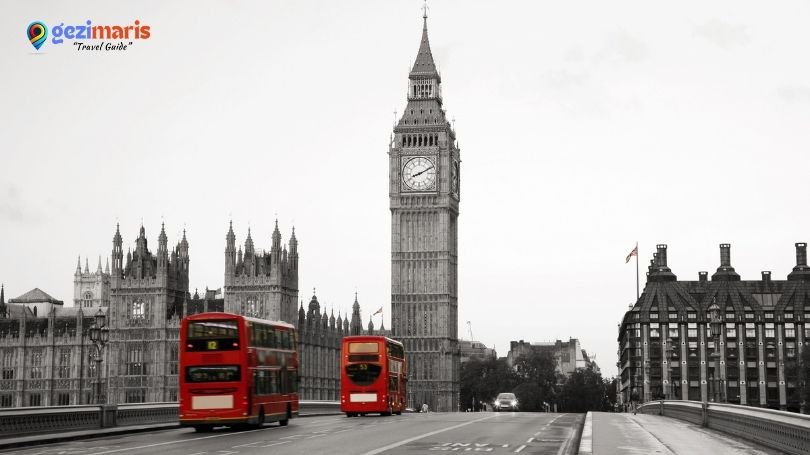
Westminster and Big Ben
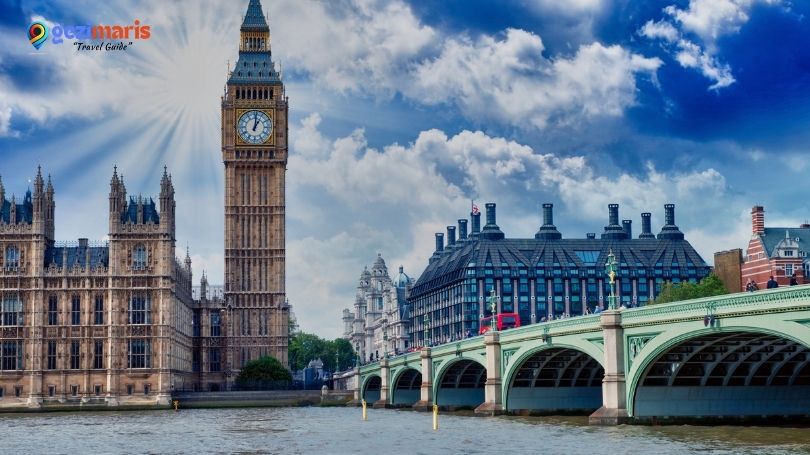
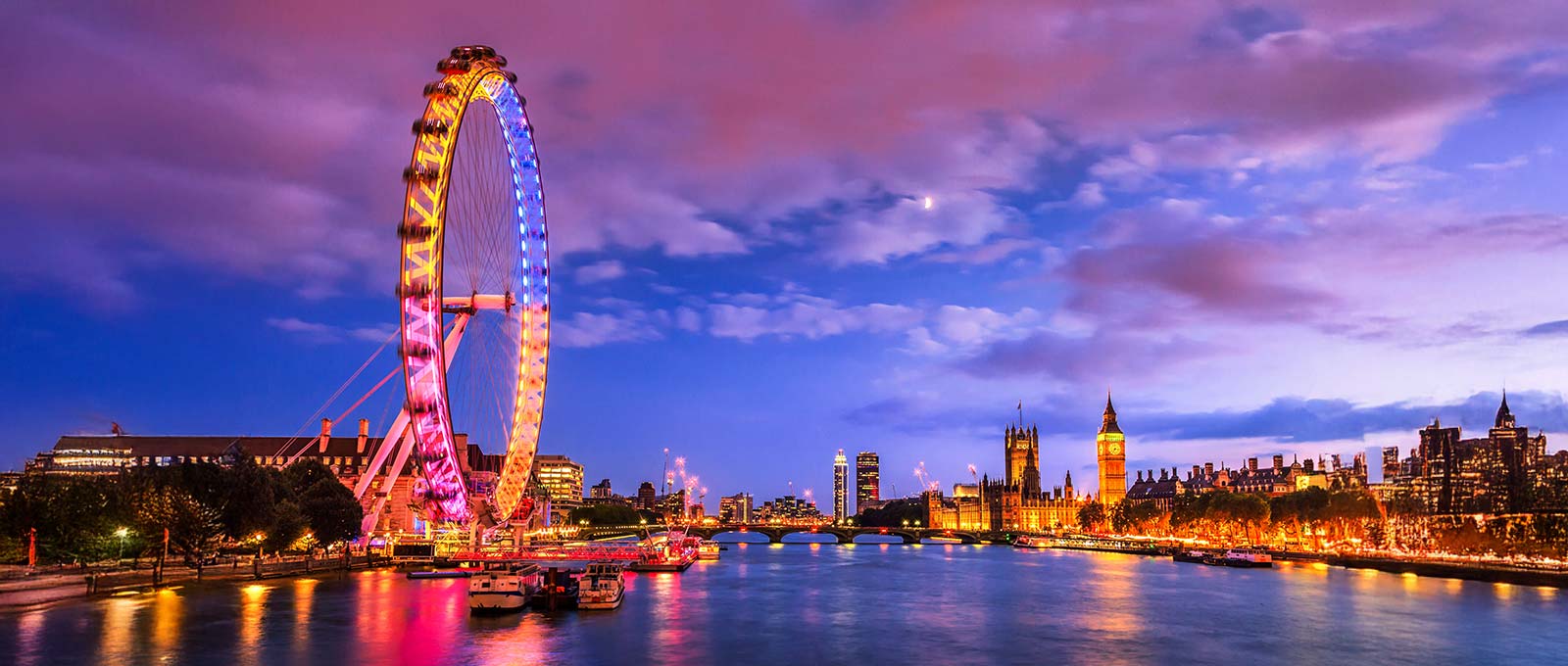
The first photograph of London is taken here. Looking at the Houses of Parliament from Westminster Bridge gives a dramatic start to the city. Early morning is better to avoid the crowds.
Westminster Abbey
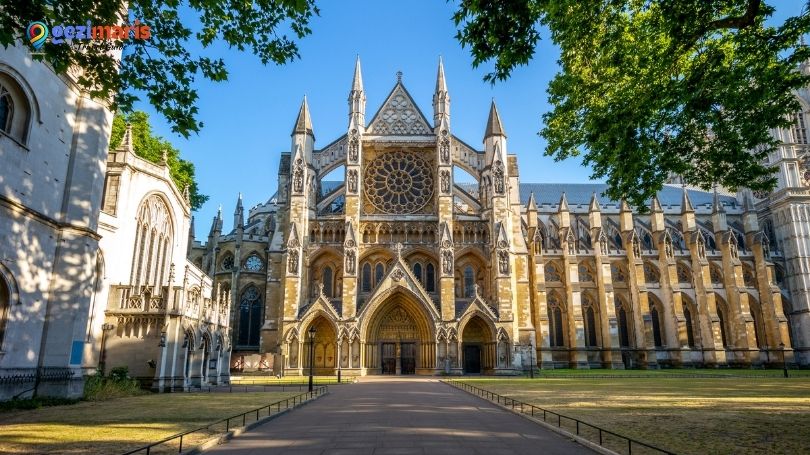
If you want to go inside, budget accordingly. In 2026, adult entry is £31; during temporary summer discounts it drops to £27.13. I think of Westminster Abbey not as a quick "sight and out" stop, but as a history break of at least 1-1,5 hours.
Buckingham Palace and St James's Park
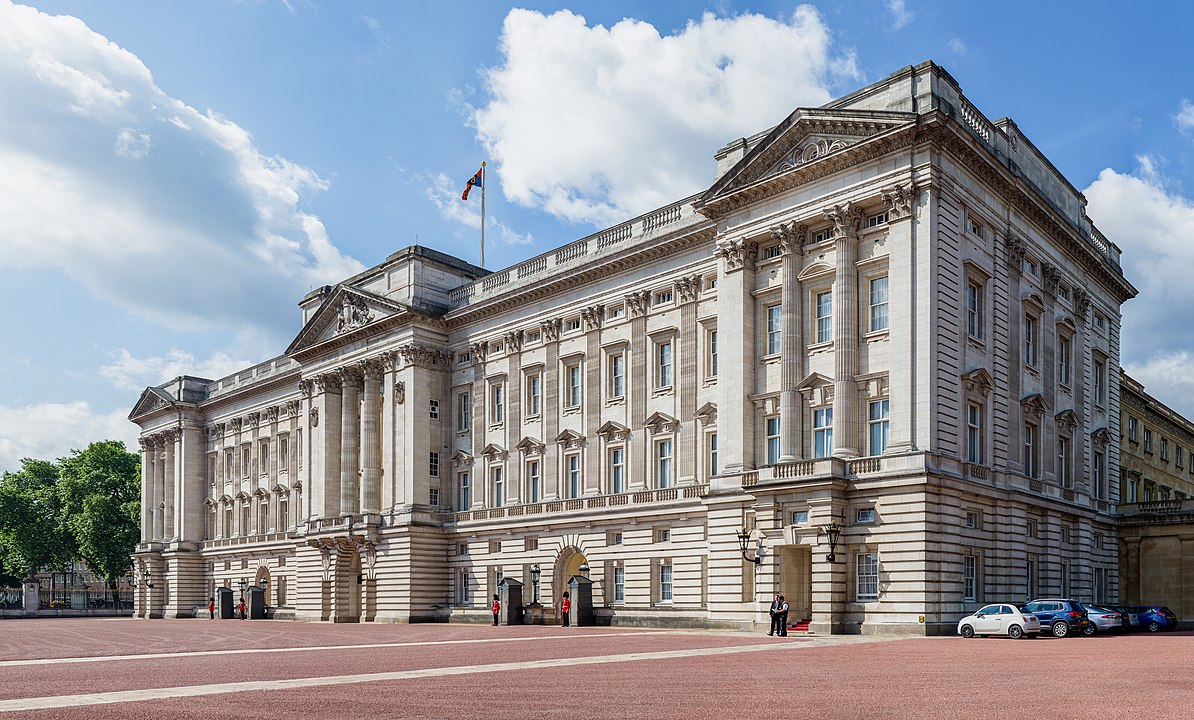
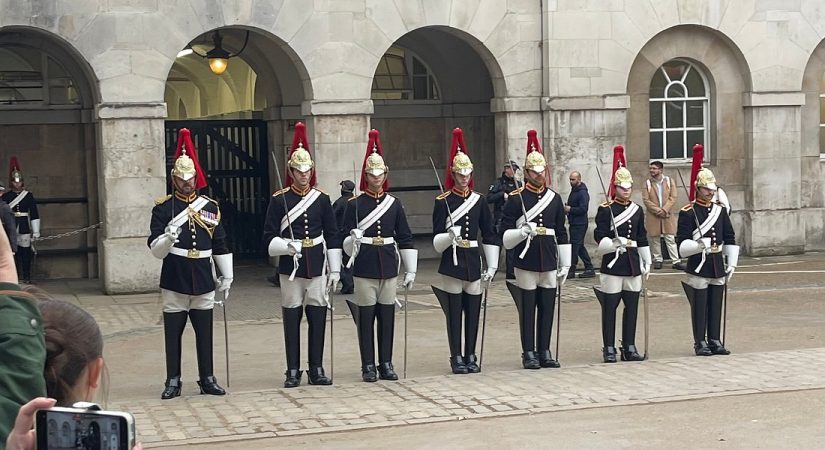
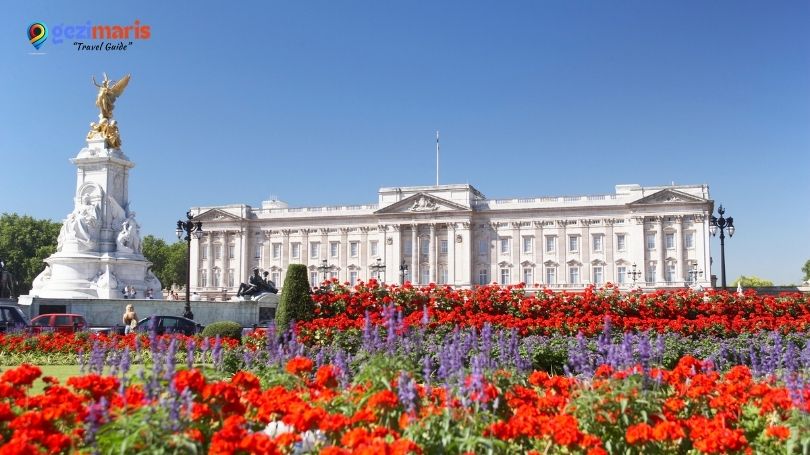
It would be great if the changing of the guard coincided, but I wouldn't base my entire schedule on it. Weather, security, and schedule changes can happen. The 2026 summer calendar shows the changing of the guard around Buckingham Palace at 11:00 on some days; it would be a good idea to check the time the morning before you go.
Trafalgar Square and the National Gallery
This is one of London's best free cultural destinations. On a rainy London day, it's easy to head straight here.
Covent Garden
With its street performances, shops, restaurants, and theatre district, it's especially lovely in the late afternoon. I find that first-time Londoners quickly connect with the city when I drop them off here.
British Museum
One of London's greatest strengths is its large, free museums. It's possible to get a free ticket to the British Museum; arranging free entry in advance, especially during peak seasons, is practical.
Tower of London
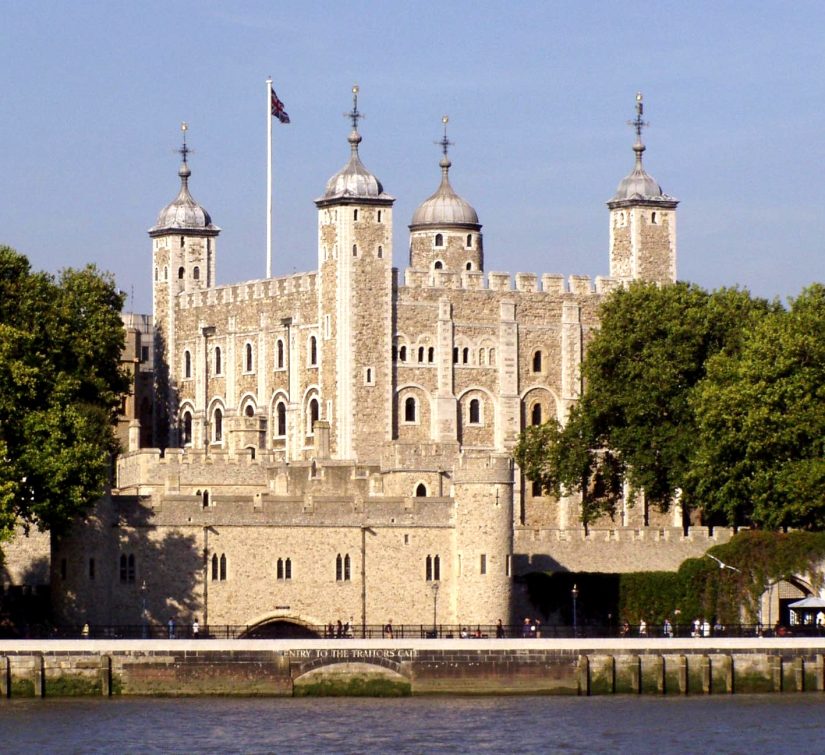
The ticket is expensive, but it's one of the places that lets you experience London's history intensely in one place. In 2026, adult entry was £37, and children aged 5-15 were £18.50. Since it includes a tour of the Crown Jewels, White Tower, and Yeoman Ward, I plan to spend a serious 2-3 hour visit here.
Tower Bridge
Viewing the bridge from the outside is free, and the best time for photos is early morning or near sunset. It makes the most sense to combine this with a visit to the Tower of London.
Borough Market
If you enjoy the food and market atmosphere in London, don't miss this place. It gets very crowded around lunchtime; I find it more efficient to visit markets around 11:00 AM.
South Bank and Tate Modern
Walking along the Thames is one of London's best free activities. The Tate Modern, Millennium Bridge, St Paul's viewpoint, and riverside performances are all connected on the same route.
London Eye
The view is beautiful, but it's not essential for those on a budget. In 2026, a standard adult ticket starts at £29 online and £39 at the door; during summer sales, it can sometimes drop to around £25.38.
St. Paul's Cathedral
Visiting the dome, crypt, and galleries offers a different religious-architectural experience than Westminster. Combining this with Tate Modern and the Millennium Bridge on the same day works very well in terms of itinerary. The itinerary includes the St. Paul's entrance, cathedral floor, crypt, Dome Galleries, and a multimedia guide.
Notting Hill and Portobello Road
Weekday mornings are better for seeing the colorful houses, and Saturdays are ideal for the Sunday atmosphere. Those who want to take photos should go early; the streets quickly fill up around midday.
Camden Town
It's great for alternative fashion, canals, street food, and the music atmosphere. Not a must-see on your first trip to London, but perfect for the third or fourth day.
Greenwich
For those with time, it's one of the most enjoyable riverside getaways. The Royal Observatory, the park, and the market area are worth dedicating half a day to.
1, 2 and 3-Day Travel Itineraries for London
1-Day London Itinerary
I start my morning with a view of Big Ben and Parliament from Westminster Bridge. Then I see Westminster Abbey from the outside or inside (if you have a ticket), and walk through St James's Park to Buckingham Palace. Trafalgar Square and the National Gallery are a good stop around midday.
In the afternoon, I'll head to Covent Garden to watch street performances and have coffee. In the evening, I'll end the day with dinner in Soho and a walk around the West End.
Points to mark on the map: Westminster Bridge, Big Ben, Westminster Abbey, St James's Park, Buckingham Palace, Trafalgar Square, National Gallery, Covent Garden, Soho.
2-Day London Itinerary
- Day 1: Westminster, Buckingham, Trafalgar, Covent Garden, Soho.
- Day 2: I'd start with the Tower of London. If my budget allows, I'd go inside; otherwise, I'd walk to Tower Bridge from the outside. Lunch break at Borough Market, followed by a walk along the South Bank to Tate Modern, Millennium Bridge, and the London Eye.
If the weather is nice in the evening, a walk along the Thames is a good idea; if it's raining, switch to a pub/theater plan in Soho or Covent Garden.
3-Day London Itinerary
- Day 1: Classic Westminster and West End.
- Day 2: Tower, Tower Bridge, Borough Market, South Bank.
- Day 3: In the morning, a trip to the British Museum or South Kensington; in the afternoon, Notting Hill-Portobello; in the evening, a West End theatre or Shoreditch bar route.
The beauty of this plan is that it doesn't cram all the paid attractions into one day. You can balance an expensive visit like the Tower of London with a free museum like the British Museum.
What to eat in London?
London is much stronger when it comes to food than it used to be. The city's cuisine is not "just fish and chips"; it includes Indian, Middle Eastern, ChinaJapanese, Caribbean, modern Europe And market meals coexist here side by side.
- Fish and chips: A classic for first-timers. It can be tried in a pub or a good fish restaurant. Since it's a heavy meal, early evening might be more sensible than lunch.
- Sunday roast: If you're in London on a Sunday, plan on having a roast at a pub. It's a hearty meal with meat, potatoes, Yorkshire pudding, and gravy.
- Full English breakfast: A very substantial breakfast; not something to have every day, but worth trying one morning.
- Pie and mash: A traditional and more local option.
- Indian cuisine: Brick Lane is one of the most enjoyable parts of London. Although Brick Lane has become touristy, Indian cuisine is still very strong in the city.
- Sunday meals: Borough, Camden, Seven Dials Market and Maltby Street Market are good for quick but characterful meals.
Where to Eat in London? Restaurant Recommendations
Dishoom – Covent Garden, Shoreditch, King's Cross, Battersea
Bacon naan roll and house chai are a classic breakfast pairing in London. In 2026, the Battersea breakfast menu featured a bacon naan roll for £11.70 and house chai for £4.90; the bill quickly but reasonably increases for two people having a light breakfast. The best time is close to breakfast opening; you may have to wait in line in the evenings.
Flat Iron – Soho, Covent Garden, London Bridge, Shoreditch and other branches
Flat Iron is still a good option when looking for affordable steak in London. A flat iron steak costs £15, beef dripping chips £4.50, and sauce £1.50; so a plate without drinks easily costs £20-22. It's a good idea to make a reservation or go well in advance of peak hours.
Borough Market – London Bridge
Think of it not as a single restaurant, but as a food route. You can quickly spread out among cheese sandwiches, seafood, coffee, desserts, bread, and international cuisines. Those who don't like crowds should go around 11:00 AM, not at the peak of lunchtime.
Padella – Borough / Shoreditch
A good option for fresh pasta. You need to be prepared for the queue culture.
The Blacklock – Soho / Shoreditch / Covent Garden
It's great for a Sunday roast or a meat-heavy dinner. If you're planning a Sunday, it makes sense to book in advance.
Fortnum & Mason – Piccadilly
It's lovely for tea, biscuits, gifts, and the classic English shopping atmosphere. Even if not for a meal, it's enjoyable as a shop visit.
Chinatown – Soho
Good for those who want a quick meal. Instead of choosing places that look very touristy, it's better to observe the crowd and the flow of the menu for a better result.
What to buy in London?
The most practical gifts to buy from London include tea, biscuits, chocolate, museum shop items, records, books, design objects, and vintage clothing. Fortnum & Mason is more classic and elegant; Marks & Spencer offers more casual food gifts; and the British Museum, V&A, and Tate department stores are strong contenders for culture-focused gifts.
I make my shopping district selection as follows:
Oxford Street is for chain stores, Regent Street for more organized window displays, Covent Garden for boutiques and cosmetics, Carnaby Street for younger brands, Portobello for vintage and antique vibe, and Camden for alternative goods.
What to do in London?
In London, only visiting tourist attractions leaves the city incomplete. Some of the most enjoyable activities are free: walking along the Thames, a morning stroll in Hyde Park, waiting for sunset on the South Bank, getting lost in the museum shops, taking early morning photos in the streets of Notting Hill, or sitting on the upper deck of a double-decker bus and watching the city go by.
If you have the time, choose a musical in the West End. London theatre can be expensive, but last-minute deals can be found at the box office. If I'm having a theatre evening, I don't leave dinner too late; an early dinner around 6 pm in Soho, followed by the show around 7:30 pm, is the most comfortable option.
London Nightlife
London's nightlife isn't uniform. Soho is great for its bar and pub scene, Shoreditch for a younger, more creative atmosphere, Camden for live music, Mayfair for more expensive cocktail bars, and the South Bank for tranquil riverside walks.
My advice for first-time visitors: don't necessarily plan on going to a club. In London, a good pub, a walkable neighborhood, and safe transportation late at night are more valuable. Pub order times vary depending on the venue; Friday and Saturday nights are particularly busy. It's a good idea to check metro and bus routes before your departure.
London Festivals and Events
London is a city full of events year-round. Highlights include St. Patrick's Day in March, outdoor events throughout spring and summer, the Notting Hill Carnival at the end of August, and Christmas lights and Winter Wonderland in winter. In 2026, the Notting Hill Carnival is scheduled for August 30-31; be prepared for the hotel and transport crowds then.
During festival periods, my rule is simple: book accommodation early, check metro exits beforehand, and carry your bag in front on crowded walking routes. London is used to managing large crowds, but for visitors, fatigue builds up quickly.
London Holidays and Closures
While most major museums in London are open throughout the week, special exhibitions, royal ceremonies, security closures, and public holidays can affect the schedule. The city slows down considerably on Christmas Day; public transport schedules may change. Shopping hours are shorter in some shops on Sundays.
It's important to pay attention to the closing time at places like museums and cathedrals. In the case of Westminster Abbey, the general tourist entrance may be closed on Sundays; the worship schedule operates differently than visiting hours. Therefore, I find it safer to include paid religious buildings in your morning itinerary.
London Travel Budget and Current Prices
In London, you need to divide your budget into three categories: transportation, food, and paid attractions. Excluding accommodation, it's essential to balance an economical trip with free museums. If you include the Tower of London, Westminster Abbey, and the London Eye in the same trip, the per-person attraction budget quickly approaches £90-100.
| Expenditure Item | Economic | Intermediate Level | Comfortable/Luxurious | Not |
|---|---|---|---|---|
| Daily transportation | £8.90 | £ 8.90-16.30 | £16.30+ | Central Zone 1-2 day cap £8.90; increases on airport days. |
| Coffee | £ 2-5 | £ 4-6 | £6+ | It varies depending on whether it's a chain or independent cafe. |
| Quick lunch | £ 8-14 | £ 15-25 | £30+ | Supermarkets and sandwich chains help balance the budget. |
| Dishoom breakfast | £ 16-25 | £ 25-35 | £40+ | Bacon naan is £11.70, chai is £4.90, for example. |
| Flat Iron dinner | £ 20-25 | £ 30-40 | £50+ | Steak is £15, sides range from £3.5 to £5.5. |
| Tower of London | £37 | £37 | £55+ | It increases if a river tour is added. |
| Westminster Abbey | £ 27.13-31 | £31 | More with the tour | It may vary depending on the period. |
| London Eye | £ 25.38-39 | £ 29-39 | Fast track more | The online and seasonal price difference is significant. |
| Daily total | £ 55-80 | £ 90-140 | £160+ | Accommodation not included. |
In London, this is how I balance my budget: one day expensive attractions, another day free museums, one evening a good restaurant, one meal at the market. Doing it this way, the city remains expensive but doesn't get out of control.
London Travel Map
Things to Consider When Traveling to London
When using contactless cards, use the same card for both entry and exit; scanning your entire wallet can cause card mix-ups. Standing on the right side of metro escalators, leaving room for those walking on the left, is an unwritten rule in London. Riding the metro with large luggage during peak hours can be challenging; plan your airport transfer accordingly.
Be careful with your phone and wallet in tourist areas. Bag checks are important in Soho, Leicester Square, Oxford Street, Camden, and crowded market places. When returning late at night, if possible, choose main streets and well-lit routes.
For Turkish citizens, don't leave the visa process until the last week. It's safer to finalize passport validity, visa appointments, and travel health insurance plans before making flight and hotel reservations.
London is an expensive but incredibly rewarding city that deserves at least three days for first-time visitors. Unlike Paris, where I was used to a walkable city center, London is more fragmented; therefore, it's necessary to explore district by district. A balanced start would be Westminster and the West End on the first day, the Tower, Borough, and South Bank on the second day, and museums and neighborhoods on the third day.
You don't have to go to every paid attraction to love London. A good walk, a free museum, a Sunday meal, a pub evening, and a sunset on the Thames often leave a more lasting memory than the most expensive sightseeing ticket.

Similar Threads

Write a Comment
Visitor Comments - 0 Comments