

Kyoto Travel Guide 2026: Where to Stay, What to Eat, What to See?
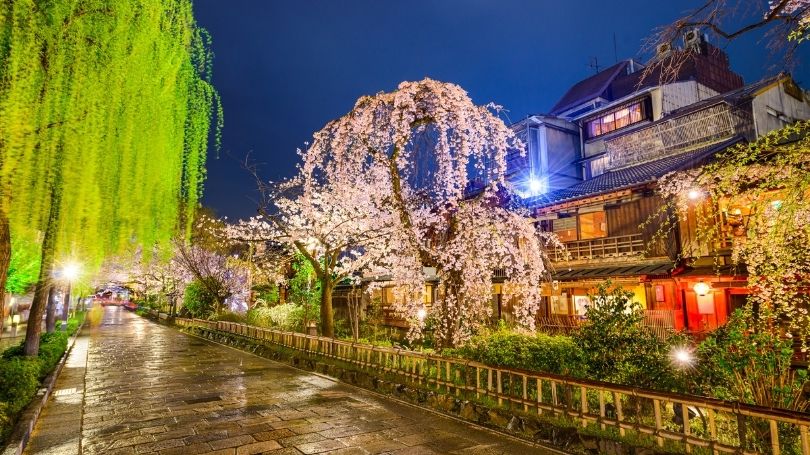
The first thing I learned on my trip to Kyoto was this: the ambition to "see as many places as possible" often leads to missing out on Kyoto's true beauty. I always plan my Kyoto trip around a walking rhythm; temples in the morning, a quiet street at midday, and a leisurely stroll along the Kamogawa riverbank or around Gion in the evening. For a first-time visitor, 3 days is a great start; 2 days will capture the main spirit, and 4-5 days will allow you to visit Arashiyama, Fushimi Inari, Higashiyama, Gion, and the northern temples at your leisure.
My first choice for accommodation would be the Kawaramachi-Gion-Shijo triangle, not Kyoto Station. Evening walks, restaurants, Nishiki Market, and access to Pontocho and Higashiyama are much easier from this area. However, the budget shouldn't be underestimated despite the weak yen in Japan: at the July 2026 exchange rate, 1.000 yen is approximately 291 TL; so a 1.100 yen daily transport pass would be around 320 TL, and a 500 yen temple entrance fee would be around 145 TL.
Quick and Practical Information About Kyoto
| Topic | My Kyoto note |
|---|---|
| How many days is enough? | For first-time visitors, 3 days is ideal; 2 days is a tough but possible option. |
| Where should we stay the first time? | Kawaramachi, Gion, Shijo, Kyoto Station surroundings. |
| The best period | Sakura blossoms in late March/early April; autumn colors in late November. For a calmer period, consider January, February, and September. |
| Currency | Japanese yen. Cash still works; IC cards and credit cards are also common. |
| Card or cash? | For large businesses, cards are fine, while cash is better for smaller shops/stalls/cafes. |
| Urban transportation | Metro, bus, train, and plenty of walking. |
| Daily budget | Budget: 8.000-13.000 yen; mid-range: 15.000-25.000 yen; casual travel: 30.000 yen and above. |
| Security | Overall it's very safe; the main things to watch out for are crowds, temple etiquette, and the issue of photography in Gion. |
| Log out | There are English signs in tourist areas; a few Japanese words make life easier. |
| Internet | eSIM Or, pocket Wi-Fi provides convenience. Map usage is very important in Kyoto. |
When is the best time to visit Kyoto?
For those who want to see Kyoto at its most impressive, my first recommendation would be spring and autumn. During the cherry blossom season, Maruyama Park, Philosopher's Path, and the area around Kiyomizu-dera look like a painting; however, hotel prices and crowds also rise rapidly. In autumn, Eikan-do, Tofuku-ji, Arashiyama, and Higashiyama areas become particularly beautiful.
Kyoto is humid and hot in the summer. In July, Gion Matsuri takes the city to a completely different level, but it's best to plan your daytime visit early. Winter, in my opinion, is Kyoto's most underrated time: quieter streets, easier restaurant reservations, and misty morning temples create a truly poetic city.
If you're going for the first time, early April or late November are the best times visually; for a more economical and quieter Kyoto, January-February or early September might be more sensible.
How to get to Kyoto?
TurkeyWhen traveling from [city name] to Kyoto, there are practically two main border crossings: Osaka Kansai Airport and TokyoI would prefer Kansai Airport for Kyoto if possible, because it's much quicker and simpler to get to the city after the flight.
The most convenient option from Kansai Airport to Kyoto is the HARUKA train. For international visitors, a discounted one-way HARUKA ticket to Kyoto costs 2.200 yen; a child ticket is 1.100 yen. For those who want to move around comfortably with luggage, the airport limousine bus is also a good option: a one-way adult ticket to Kyoto Station costs 2.800 yen, and a child ticket is 1.400 yen; the journey takes approximately 1 hour and 25-30 minutes.
If you're coming from Tokyo, the classic route to Kyoto Station is via the Shinkansen. If you're using a Japan Rail Pass, it's necessary to check beforehand which train types are included; since JR Pass prices have increased in recent years, it may not always be advantageous for someone who only travels between Tokyo, Kyoto, and Osaka.
Kyoto City Transportation
Kyoto's subway system isn't as extensive as Tokyo's; therefore, buses, dedicated train lines, and walking are used in combination. My route around the city is as follows: walk towards Higashiyama and Gion, take the train to Fushimi Inari, use the JR or Randen for Arashiyama, and take the bus towards Kinkaku-ji.
One of the most practical options for city transportation in 2026 is the Subway & Bus 1-Day Pass. This card, which provides unlimited daily use, costs 1.100 yen for adults and 550 yen for children. If I plan to use public transport three or four times in the same day, the card will easily pay for itself. The central fare on Kyoto City Bus is 230 yen; fares may be higher on tourist express buses.
Taxis are lifesavers for short distances, especially in the rain, but traffic in Kyoto can be slow. Taking a taxi to opposite ends of the city, like Kiyomizu-dera in the morning and Arashiyama in the afternoon, can unnecessarily inflate your budget. I mostly use taxis to get back to the hotel after dinner or when traveling with children or heavy luggage.
How many days does it take to visit Kyoto?
- 1 days: Higashiyama, Kiyomizu-dera, Sannenzaka-Ninenzaka, Yasaka Shrine, Gion, and Pontocho capture the essence of Kyoto.
- 2 days: In addition to the first day, Fushimi Inari, Nishiki Market, and Nijo Castle can be added. The Kamogawa Riverbank would make a good closing in the evening.
- 3 days: Arashiyama offers a more balanced trip by including the bamboo forest, Togetsukyo Bridge, Tenryu-ji, Kinkaku-ji, or Ryoan-ji.
- 4-5 days: Time opens up for Uji, Kurama-Kibune, Ohara, Philosopher's Path, Ginkaku-ji, and the quieter neighborhoods. I start to love Kyoto more after 3 days; because that's when the city truly transforms from a "list" into a rhythm.
Where to stay in Kyoto?
When choosing accommodation in Kyoto, you should consider not only the hotel price but also how you will get back to the hotel in the evening. Temples are best visited during the day, but the true enjoyment of Kyoto often comes from evening strolls.
Kawaramachi–Shijo
This is the most convenient area for first-time visitors. Nishiki Market, Pontocho, Kamogawa, and Gion are within walking distance. There are plenty of restaurant options. I consider this the safest choice for a short trip.
Who is it suitable for? First-time visitors, food and drink-focused travelers, and those who enjoy walking.
Dikkat: Prices rise rapidly during the cherry blossom season and in the fall.
Gion–Higashiyama
It's wonderful for those who want to experience the atmosphere of Kyoto in the early morning and evening tranquility. Being close to Kiyomizu-dera, Yasaka Shrine, and traditional streets is a great advantage.
Who is it suitable for? Couples, photography enthusiasts, and those seeking a classic Kyoto feel.
Dikkat: Although some streets may look touristy, they are residential areas; it is necessary to be quiet and respectful.
Kyoto Station area
The intercity train is practical for airport transfers and day trips to Nara/Osaka. If I were to use Kyoto as a base and explore the Kansai region, I would choose this area.
Who is it suitable for? Those arriving with luggage, those staying for a short time, will be able to travel frequently by train.
Dikkat: The evening atmosphere isn't as romantic as in Kawaramachi-Gion.
Arashiyama
It's good for those who want a nature and ryokan experience, but it might be a bit far from the main base for first-timers.
Who is it suitable for? A leisurely stroll, a special occasion, a ryokan experience.
Dikkat: Traveling to and from the city center takes time.
In Kyoto, from March 2026 onwards accommodation tax It works in stages: 200 yen if the nightly accommodation cost per person is under 6.000 yen, 400 yen if it's between 6.000 and 19.999 yen, 1.000 yen if it's between 20.000 and 49.999 yen, and it can go up to 4.000 and 10.000 yen in higher categories. This seemingly small item should be added to the budget, especially for couples and longer stays.
Places to visit in Kyoto
Kiyomizu-dera and Higashiyama
For a first-time visitor to Kyoto, this is one of the best places to start. Going early in the morning allows for a calmer view from the temple platform and lets you stroll through the Sannenzaka-Ninenzaka streets without getting caught in the crowds. It's a good idea to keep in mind that the current entrance fee for Kiyomizu-dera is 500 yen for adults.
Average time: 2-3 hours
Nearby locations: Sannenzaka, Ninenzaka, Yasaka Pagoda, Kodai-ji, Yasaka Shrine
Best time: Between 07:00 and 09:00 in the morning
fushimi inari taisha
The thousands of red torii gates are one of Kyoto's most iconic sights. I wouldn't recommend walking all the way to the top; for most travelers, the first 45-60 minutes offer a powerful enough experience. To avoid the crowds, it's best to choose very early in the morning or near sunset.
Average time: 1,5-3 hours
Nearby locations: Tofuku-ji can be combined with the Uji route.
Best time: Early morning
Arashiyama Bamboo Grove and Togetsukyo Bridge
It's a big mistake to think of Arashiyama as just a bamboo forest. The bamboo path is short, but the surroundings are very pleasant: Tenryu-ji, the riverbank, small shops, and if you wish, Monkey Park. Plan ahead for Monkey Park, with adult entry costing 800 yen and child entry 400 yen; the climb uphill takes about 20 minutes.
Average time: Half day
Best time: Early in the morning or late in the afternoon
Practical note: Comfortable shoes are a must.
kinkaku-ji
The Golden Pavilion is as theatrical in person as it looks in photographs. Entrance is 500 yen; since the tour route is short, it makes sense to include it on the same day as Ryoan-ji or Arashiyama.
Average time: 45-60 minutes
Best time: In the morning or near closing time
Ginkaku-ji and the Philosopher's Path
When I want a quieter, more contemplative walk in Kyoto, I choose Ginkaku-ji and Philosopher's Path. Entry to Ginkaku-ji is 1.000 yen for adults; at first glance it's not as ostentatious as Kinkaku-ji, but the garden layout and the feeling of walking are far more elegant.
Average time: 2-3 hours
Nearby locations: Nanzen-ji, Eikan-do
Best period: Sakura and autumn
Nijo Castle
Nijo Castle is a good stop to break the temple heaviness of Kyoto a bit. Entry to the castle grounds alone is 800 yen; if you want to include Ninomaru-goten Palace, the adult ticket is 1.300 yen. I particularly like this place on rainy days or in the afternoon.
Average time: 1,5-2 hours
Nearby locations: Kyoto Imperial Palace, Karasuma Oike, Nishiki Market
1, 2 and 3-Day Trip Itineraries to Kyoto
1-Day Kyoto Itinerary
- Morning: Start with Kiyomizu-dera. After the temple, stroll slowly through Sannenzaka and Ninenzaka streets. I don't plan my shopping for the morning in this area; it's better to walk around when the streets are empty first, then take a coffee/dessert break.
- Noon: Head down from the Yasaka Pagoda area towards Kodai-ji. A soba, udon, or a small set of obanzai would be good for a light lunch.
- Late afternoon: Pass through Yasaka Shrine and Maruyama Park to reach Gion.
- Evening: Pontocho or Kamogawa coast. If you're traveling without a reservation, it's a good idea to arrange a meal early.
2-Day Kyoto Itinerary
- Day 1: Higashiyama, Kiyomizu-dera, Gion, Pontocho.
- Day 2, morning: Fushimi Inari. Walk the first torii path before the crowds start.
- Day 2, afternoon: Nishiki Market and Kawaramachi. Here, it's more enjoyable to sample small portions rather than one large meal.
- Day 2, afternoon: Nijo Castle.
- Evening of day 2: A walk along the Kamogawa riverbank or a relaxing evening around Gion.
3-Day Kyoto Itinerary
- Day 1: Higashiyama and Gion.
- Day 2: Fushimi Inari, Nishiki Market, Nijo Castle.
- Day 3: Arashiyama morning, Kinkaku-ji or Ryoan-ji in the afternoon.
I don't rush the third day. After the bamboo forest in Arashiyama, if you just rush to "get to the next place," you'll miss out on the enjoyment of the riverside area. It's more balanced to have lunch in Arashiyama and go to Kinkaku-ji later in the day.
What to eat in Kyoto?
Kyoto cuisine has a more refined, seasonal, and subdued character compared to Tokyo and Osaka. It's not just about eating ramen; tofu, yuba, obanzai, matcha desserts, kaiseki, and tea culture form the true gastronomic backbone of Kyoto.
- Yudofu: Especially around Nanzen-ji, try the hot tofu dish. It's a light, simple lunch that suits Kyoto very well.
- Yuba: Think of it like soy milk cream. It has a soft texture and a delicate taste.
- Obanzai: In the style of Kyoto home cooking, small plates are used. Rice, miso soup, and a few vegetable/seafood dishes make for a balanced meal.
- Matcha desserts: Gion and Uji are very strong. Parfait, ice cream, kakigori and wagashi are worth trying.
- Kaiseki: A seasonal multi-course dining experience. The upscale options are expensive, but Kyoto also has more accessible, modern kaiseki locations.
- Soba/udon/ramen: Quick and safe meals. A lifesaver on tourist days.
What to buy in Kyoto?
Kyoto shopping is enhanced by small, textured pieces rather than fast-moving consumer goods.
- Matcha and tea: Uji matcha, hojicha, genmaicha. When buying tea, especially in very cheap packages, it's important to keep your expectations low regarding flavor.
- Wagashi: Japanese sweets make lovely gifts, but shelf life should be considered.
- Ceramic: Kiyomizu-yaki style ceramics are found especially around Higashiyama.
- Furoshiki: Fabric wrapping cloth; lightweight, stylish and easy to carry.
- Incense: One of Kyoto's elegant souvenirs. The small packages don't take up much space in your suitcase.
- Stationery and washi products: Notebooks, cards, handmade paper products.
My rule when shopping is this: I don't make a big purchase at the first shop on the way to the temple. It's often possible to find the same items a few streets away in a quieter location at a better price.
What to do in Kyoto?
One of the best things to do in Kyoto is to take a walk very early in the morning. The areas around Kiyomizu-dera, the streets of Gion, Philosopher's Path, and Arashiyama look completely different between 7:00 and 9:00 AM.
Another wonderful experience is a tea break. Even drinking coffee in Kyoto can feel like a ritual, but saving the matcha experience for Gion or Uji is more meaningful. If you have the time, you can dedicate half a day to Uji, adding Byodo-in, tea shops, and the riverside.
For the evening, a walk along the Kamogawa River, dinner in Pontocho, a quiet route around Gion, or a small izakaya near your hotel are good options. Kyoto's nightlife isn't as vibrant as Tokyo's; it's more of a quiet city of bars, small restaurants, and walks.
Kyoto Nightlife
In Kyoto, nightlife should be viewed not in terms of clubs, but rather as a combination of "good food + walking + small bars." Pontocho, with its narrow streets, restaurants along the Kamogawa River, and small bars, is one of the most enjoyable evening areas. Kiyamachi is more lively; Gion, on the other hand, remains more traditional and tranquil.
I would ideally structure my Kyoto evenings like this: early dinner, a walk along the Kamogawa River, followed by a small bar or dessert break. The hotel's location is important here, as public transport can become less frequent late at night.
Kyoto Festivals and Events
Kyoto's three major festivals directly influence the city's planning: Aoi Matsuri, Gion Matsuri, and Jidai Matsuri.
- aoi-matsuri It stands out as one of the major parades held every year on May 15th.
- Gion Matsuri It lasts throughout July; in 2026, the Yoiyama periods are scheduled for July 14-16 and July 21-23, while the major Yamahoko Junko parades are planned for July 17 at 9:00 AM and July 24 at 9:30 AM.
- Jidai Matsuri It is usually held on October 22nd on the Kyoto Imperial Palace-Heian Jingu route.
Kyoto is incredibly beautiful during festival periods, but hotel prices, restaurant crowds, and public transportation congestion increase. If I were going for the festival, I would consider centrally located accommodation and early booking essential.
Kyoto Holidays and Closures
While most of Kyoto's major temples are open daily, special exhibitions, nighttime lighting, restoration, and weather conditions can affect visiting hours. It's a good idea to check beforehand for museums that close on Mondays, palace grounds that require reservations, and seasonal special openings.
Closing days are a more critical issue for restaurants. Small family-run businesses, in particular, may only close one or two days a week. In Kyoto, I wouldn't risk finding out the day I walked into a restaurant I absolutely had to go to; I'd look for a reservation, especially for dinner.
Kyoto Travel Budget and Current Prices
In Kyoto, the budget varies greatly depending on personal pace. A temple-focused trip with public transport and simple meals might be reasonable; however, ryokan, kaiseki, and frequent taxi use will quickly increase the budget.
| Expense item | Economic | intermediate level | Comfortable/Luxurious | Not |
|---|---|---|---|---|
| Coffee / Dessert | 500-900 yen | 1.000-1.800 yen | 2.000 yen+ | Matcha parfait can easily reach the 1.500 yen mark. |
| Simple meal | 900-1.500 yen | 1.500-3.000 yen | 4.000 yen+ | Ramen, soba, and udon are economical meals. |
| Obanzai / set meal | 1.200-2.000 yen | 2.000-3.500 yen | 4.000 yen+ | It offers good value for lunch. |
| Yudofu / special meal | 3.000-4.000 yen | 4.000-6.000 yen | 8.000 yen+ | It's popular around Nanzen-ji. |
| kaiseki | 5.000-8.000 yen | 10.000-20.000 yen | 30.000 yen+ | Reservations are required. |
| Urban transportation | 230 yen single ride | 1.100 yen daily pass | It will increase if taxis are added. | Daily card is good for busy days. |
| Temple / Museum | 0-500 yen | 500-1.300 yen | More at private openings | Kiyomizu 500, Kinkaku-ji 500, Nijo 800-1.300 yen. |
| Accommodation | 4.000-10.000 yen | 12.000-25.000 yen | 40.000 yen+ | Season and region have a big impact. |
Here's what I'd suggest for an economical yet enjoyable day in Kyoto: morning konbini coffee and snacks 600-800 yen, afternoon soba/udon 1.200-1.800 yen, two temples 1.000-1.500 yen, daily transportation 1.100 yen, dinner at a basic restaurant 2.000-3.500 yen. Excluding accommodation, a day in the 7.000-10.000 yen range would be quite good.
On a more relaxed day, adding a breakfast café, a few paid temples, a sweet treat, a good dinner, and a taxi makes it easy to reach the 18.000-30.000 yen range per person.
Kyoto Travel Map
Things to Consider During a Trip to Kyoto
In Kyoto, respectful tourism is paramount. Especially in Gion, following geiko and maiko, blocking their path, and taking unauthorized photos or videos are absolutely forbidden. Kyoto's official visitor guide explicitly emphasizes avoiding stopping, touching, following, and taking unauthorized photos/videos of geiko and maiko; blocking roads and entering private property can also create serious problems.
Be mindful of using tripods, drones, speaking loudly, taking indoor photographs, and going outside the garden boundaries at temples. In some places, photography restrictions may apply not only indoors but also in areas such as gardens or bridges.
Carry cash, but don't keep all your money in one place. Using an IC card speeds up bus and train transfers. Water and a hat are essential in the summer; Kyoto's humidity slows down your sightseeing pace more than you might think. For families with children, the upper route of Fushimi Inari and the climb up to Monkey Park can be tiring; a baby carrier is more comfortable than a stroller.
Kyoto isn't a city to be rushed through. For first-time visitors, I recommend allocating three days, staying in a central area, and focusing on no more than two major attractions each day. One day Higashiyama-Gion, another day Fushimi Inari-Nishiki-Nijo, and the third day Arashiyama-Kinkaku-ji would provide a powerful route to capture the true spirit of Kyoto.
Temple entrance fees may seem small on a budget, but they add up at the end of the day when combined with transportation, coffee, desserts, and meals. Despite this, Kyoto is still a very satisfying city when well-planned: a quiet temple in the morning, a simple tofu meal at lunchtime, a walk along the Kamogawa riverbank in the evening… For me, this is where Kyoto's luxury truly begins.
PREVIOUS TOPIC
Write a Comment
Visitor Comments - 0 Comments