

Kerkenes Ruins: Anatolia's Mysterious Lost City
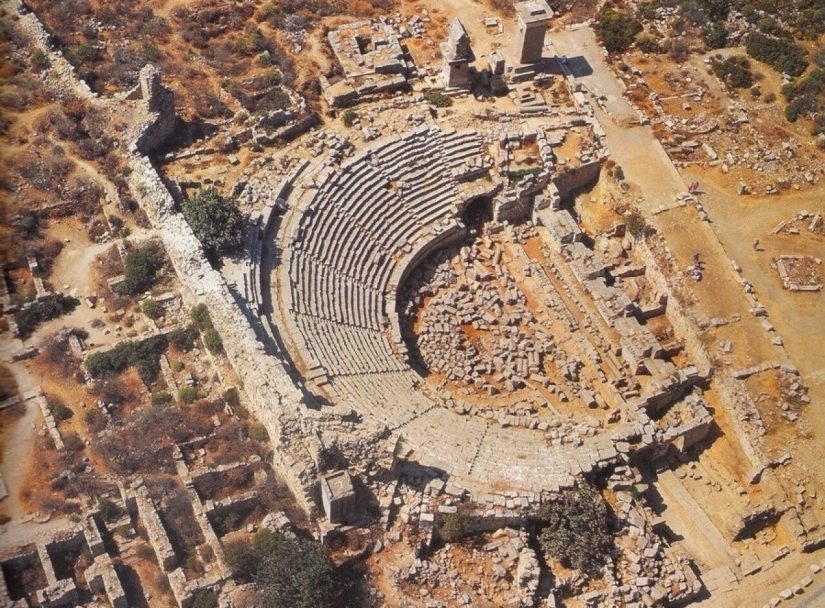
Yozgat's query Near the village of Şahmuratlı in the district, nestled in the middle of the steppe at the foot of Mount Kerkenes, lie the ruins of Kerkenes (the Lost City of Pteria), silent witnesses to thousands of years. This is such a captivating site that the moment you step inside, you begin to wander through the dusty pages of history. This ancient city, surrounded by extensive walls, was built in the 7th century BC and abandoned after a very short period of use. This makes Kerkenes both mysterious and a unique research site for archaeologists.
Walking among the massive stone walls and ruins in the middle of the steppe, you feel as if you've stepped back in time. Ancient roads, temple ruins, and traces of palaces indicate that this was no ordinary settlement, but a powerful center of its time. The stones, standing for centuries, preserve the traces of Anatolia's ancient civilizations. Furthermore, Kerkenes' strategic location commands both defense and trade routes. With all these features, the Kerkenes Ruins are a must-see destination not only for history buffs but also for nature and photography enthusiasts.
Where and How to Get There?
Kerkenes Ruins are located within the borders of Şahmuratlı Village in the Sorgun district of Yozgat.
Yozgat It is approximately 70 km from the city center and 30 km from Sorgun.
- Transportation from Yozgat: You can reach it by private vehicle by following the signs for Şahmuratlı on the Yozgat-Sorgun highway. The final stretch of road is a village road, a mix of asphalt and stabilized roads.
- Transportation from Ankara: It is approximately 250 km away via the TEM highway. Kırıkkale, then you can reach Sorgun by heading towards Yozgat, and from there you can turn onto the village road.
- Since public transportation options are limited, renting a car or using a private vehicle is the most practical solution.
Brief History
According to archaeological evidence, Kerkenes was built in the 7th century BC. While the city's founder is unknown, some research suggests it was built by the Phrygians or Medes. Surrounded by massive 2,5-kilometer walls, the city was destroyed by a massive fire after only a short period of use and was abandoned.
Excavations at the city were first initiated by European travelers in the 19th century, and systematic excavations using modern archaeological methods have been conducted since the 1990s. Among the finds are temple ruins, a large palace complex, houses, market areas, and water systems. All of this indicates that Kerkenes was an important political and commercial center of the period.
Architectural and Artistic Features
Kerkenes Ruins has one of the most advanced urban plans of the period.
- Walls: It is surrounded by stone walls that are 2,5 km long and approximately 7 meters high.
- Doors: The city has four main gates, strategically placed for defense.
- Palaces and temples: There are ruins of palaces and temples in a high area in the city center.
- Water system: Cisterns and channels built to collect rainwater attract attention.
The architectural details clearly demonstrate the fine stonework and mastery of defensive architecture, making this site an important example of early urbanization in Anatolia.
Visit Information
Kerkenes Ruins can be visited at any time of the year, but spring and autumn are more comfortable.
- Entrance fee: It is free.
- Visiting hours: There is no official visiting hour restriction, but it is recommended to go during daylight hours.
- Guidance: It may be possible to find a guide in the village, but it is helpful to contact them in advance.
- Transportation: As there is no public transport, private vehicles are recommended.
- Infrastructure: There are no cafes or restrooms on site. It is recommended that you bring water and snacks.
Photography Tips and Tricks
- From the summit of Kerkenes Mountain, you can take in panoramic views of the city walls and the steppe.
- The afternoon sunlight reveals the texture of the stone walls and adds a warm tone to your photos. katar.
- The ruined sections of the city walls and the large stone gates are ideal for dramatic scenes.
- Having a wide-angle lens with you allows you to fit both the landscape and the building details into the same frame.
Other Nearby Places to Visit
- Sorgun Thermal Springs: Famous for its thermal water, it is a relaxing stop for those seeking healing.
- Yozgat Pine Grove National Park: Turkey's first national park, ideal for nature walks.
- Alişar Mound: Another important archaeological site of Yozgat.
- Kazankaya Canyon: It offers magnificent views for nature and adventure lovers.
If you happen to be in Yozgat, be sure to visit the Kerkenes Ruins. You'll satisfy your archaeological curiosity and discover this mysterious city, which whispers ancient stories of Anatolia to the winds of the steppe. Also, when planning your trip, Places to Visit in Yozgat ve Places to Visit in Sorgun You can also get inspiration from our articles.
NEXT TOPIC
My wife Olga and I have made exploring new places whenever we get the chance a major part of our lives. For us, traveling isn't just about going from one city to another; it's about getting to know different cultures, getting lost in the streets, experiencing local life, and especially witnessing history in historical places. Our biggest motto in life is to travel, see, and accumulate what we learn. In every city we visit, we love tracing the castles, ancient cities, museums, old streets, and historical buildings. Because, in our opinion, every stone, every square, and every old building has a story to tell. On our trips with Olga, we enjoy following these stories the most. Sometimes in the quiet streets of a small town, sometimes on the walls of a castle that has defied centuries, and sometimes in an ancient city left behind by old civilizations, we find ourselves on a journey between the past and the present. For us, travel means creating memories together, seeing new places, touching history, and living life more meaningfully. Each trip gives us a new perspective and increases our desire to get to know the world more closely.
Similar Threads

Sorgun is the most populous district of Yozgat and is home to many historical heritages. This district, where health and cultural tourism is developed, is located in the Central Kızılırmak region and offers visitors a variety of places to see. Sorgun, where the continental climate prevails, has forest areas in addition to steppe areas, albeit limited. Natural beauties...
Sorgun is a district of Yozgat that welcomes its guests with a friendly and warm atmosphere. When you step into this beautiful district, you'll encounter not only history and nature, but also local businesses offering modern and high-quality services. One of these businesses, Yeni Çağ Optik, caters to both your aesthetic needs and style. Located on Cumhuriyet Street in Çay Mahallesi...
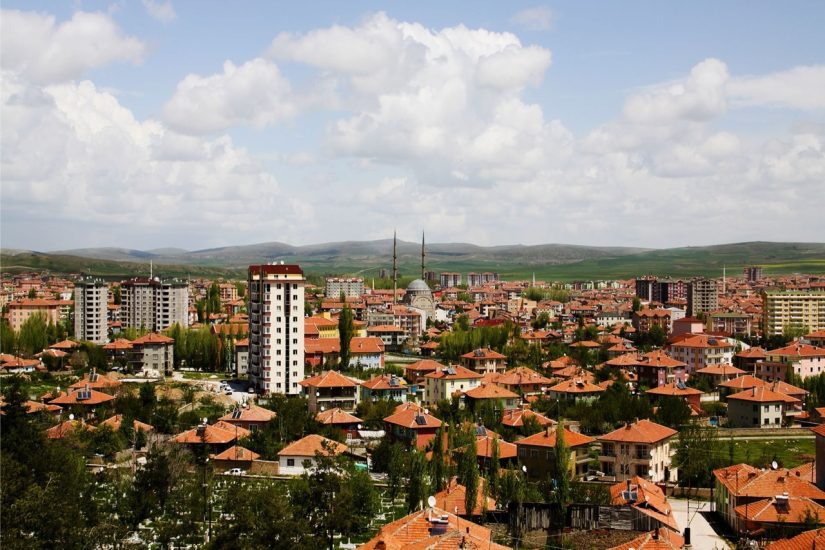
For me, Sorgun isn't just a town marked on a map and passed over; it means the sounds of my childhood, the smell of dust in summer, the chill of winter, the warmth of freshly baked pita bread, and that sweet drowsiness that washes over you after returning from the thermal baths. I currently live in Marmaris; I'm used to the sea, the bougainvillea, and the crowded summer evenings, but every time I return to Sorgun, I'm transported back to the simple, unpretentious, and authentic atmosphere of Central Anatolia...

Alişar Mound, a quiet yet historically rich site in Yozgat, is located 45 km southeast of Yozgat city, north of Alişar village. Surrounded by natural beauty, this archaeological site is one of the largest mounds in Anatolia in terms of height and width. For travel enthusiasts and those seeking a historical discovery journey, this grandeur of the great mound and the surrounding pastoral village...

Most people who find themselves in Sorgun either visit the hot springs or stop by on the Ankara-Sivas highway, and both groups have the same question on their minds: Where to eat here? Let me be honest from the start, Sorgun isn't a gastronomic tourism town; don't expect an abundance of places on the scale of Istanbul or a coastal town. But that doesn't mean you can't find good food...
Write a Comment
Visitor Comments - 0 Comments