
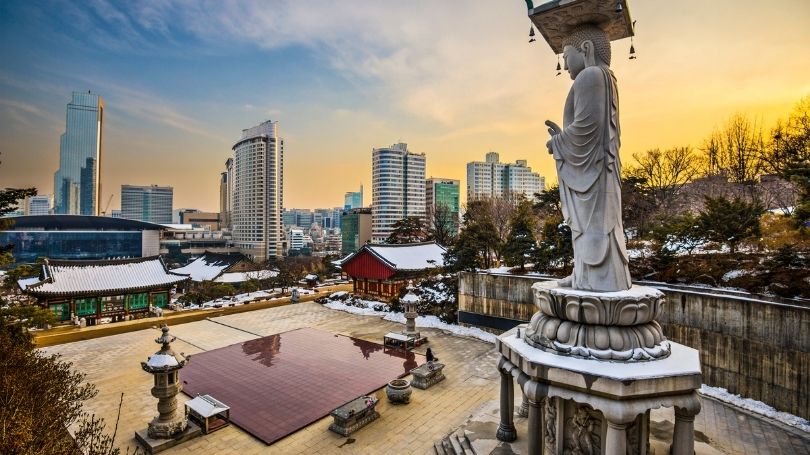
South Korea Travel Guide
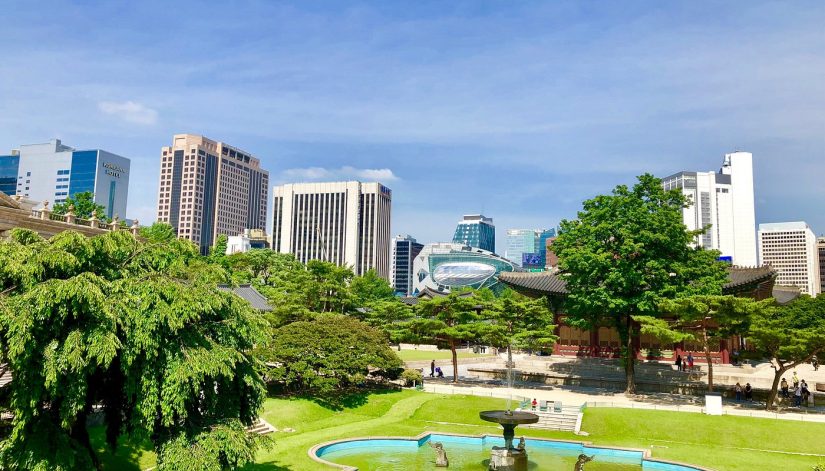
What surprised me most on my first trip to South Korea wasn't the size of Seoul, but the way two different time periods could coexist on the same street. In the morning, you could stroll through the stone courtyard of Gyeongbokgung Palace, surrounded by visitors in hanbok, and in the afternoon, you could enter the design shops housed in the old factory buildings on Seongsu. By evening, it had become commonplace to stumble upon a small restaurant behind a door that looked like a warehouse from the outside, in the narrow streets of Euljiro.
The country alone Alone And reading it through the lens of K-pop would be a huge oversight. Gwangalli beach in Busan, the Silla-era burial mounds in Gyeongju, the hanok streets in Jeonju, the Seoraksan trails in Sokcho, and the volcanic coast in Jeju all offer completely different itineraries. For a first trip, I spread Seoul, Gyeongju, and Busan over 8-10 days. If I add Jeju, I increase the total time to at least 12 days.
General Information About South Korea
| Information | Detail |
|---|---|
| capital | Alone |
| Official language | Korean |
| Currency | South Korean won, KRW or ₩ |
| Form of government | a republic governed by a presidential system |
| Population | Approximately 51,6 million according to 2026 projections. |
| Area | Approximately 100.364 km² |
| Time zone | UTC+9, Turkey6 hours ahead of |
| -Polis | 112 |
| Ambulance and fire truck | 119 |
| Tourist information hotline | 1330 |
| Electrics | 220 V, Type C and Type F socket. |
The 2026 population projection points to approximately 51,6 million people. When I need help in Seoul or another city, I use 112 for the police, 119 for health and fire services, and 1330 for tourist assistance in foreign languages.
My currency account: In July 2026, 1.000 won is approximately equivalent to 31 Turkish Lira (TL). When calculating prices in my head, I assume 10.000 won is approximately 310 TL, 50.000 won is 1.550 TL, and 100.000 won is 3.100 TL. This method significantly speeds up restaurant menus and shopping.
When to Go to South Korea?
I prefer the months of April-May and late September-early November for visiting South Korea. The weather is pleasant for walking in the spring; cherry blossoms usually bloom in early April in Seoul, and a little earlier in Busan and Gyeongju further south. In autumn, Seoraksan, Naejangsan, and the Seoul Palace Gardens come alive with color towards the end of October.
July and August are hot and humid. Average daytime temperatures in Seoul in August reach around 30°C; it's necessary to leave gaps in the Jeju and Busan schedule due to the possibility of rain and typhoons. In winter, Seoul is dry and experiences severe cold. Since temperatures feel below freezing in January, I carry not only a thick coat but also a windproof outer layer and good-soled shoes.
Hotel prices rise during cherry blossom season. Instead of accepting the exact bloom date months in advance, I spread my trip over at least five or six days. If I'm going to Seoraksan in the fall, I avoid weekends; the traffic of domestic visitors from Seoul can fill the morning buses and park entrances.
How to Get to South Korea?
IstanbulI can fly from [location] to Seoul with Turkish Airlines, Korean Air, and seasonally other companies, either directly or with a layover. The direct flight takes about 10 hours and lands at Incheon International Airport. In July 2026, round-trip economy tickets with Turkish Airlines started at approximately 52.000 TL, while Korean Air options started at around 895 USD. I've noticed the price changes significantly if I shift the date by even a few days, so I book my tickets early, especially for trips in April and October.
I use AREX when traveling from Incheon to Seoul if I want to avoid traffic. The express train takes about 43 minutes from Terminal 1 to Seoul Station and 51 minutes from Terminal 2. I budget approximately 13.000 won for the express train and about 5.000 won for the all-stop train. If I'm staying in Hongdae, getting off at Hongik University station on the All Stop Train is more convenient than going to Seoul Station and back.
Before taking the subway, I buy a T-money card from the convenience store at the airport or at the station. The card itself is usually worth 3.000-5.000 won; I load the balance separately. On the Seoul subway, the basic fare is 1.550 won with a transit card, and 1.650 won with a single-use ticket. A 500 won deposit is also required for single-use tickets, which can be retrieved from the machine at the exit.
Visa and Entry Requirements in South Korea
Turkish citizens holding ordinary, special, service, and diplomatic passports are exempt from visa requirements for tourist visits to South Korea for up to 90 days. However, when traveling with an ordinary passport... K-ETA You need to complete the registration. I don't leave this process until a few days before the flight; although the evaluation is usually completed within 72 hours, it can take longer during peak times.
To apply for a K-ETA, you need a valid passport, email address, a digital photograph in passport format, and a card enabled for international payments. The fee is 10.000 won per person, and the approval is valid for three years or until the passport's expiry date. A new K-ETA is required when renewing the passport. Those entering with a valid K-ETA do not require a separate arrival card.
Passengers aged 17 and under, and those aged 65 and over on the date of entry, are exempt from the K-ETA application. Holders of diplomatic and official passports are also among the exempt groups. I only apply through the official K-ETA portal or application; search results may show intermediary websites that appear official but charge high service fees.
Since the official passport regulations don't specify a single "six-month validity" rule for everyone, I find it safer to travel with a passport that covers the entire duration of my trip and, if possible, is valid for at least six months. Because border control might ask for my return ticket, my initial accommodation address, and the purpose of my trip, I also keep my reservations offline on my phone.
Cities and Regions to Visit in South Korea
- seul: On my first trip, I allocate at least four full days to the city. In Jongno, I include Gyeongbokgung, Changdeokgung, Bukchon, and Insadong on the same regional route; I leave Hongdae, Mangwon, and Yeonnam for another day. Entry to Gyeongbokgung is 3.000 won. Wearing a traditional hanbok allows free entry to the four grand palaces.
- Busan: Seomyeon is a city with a slower pace than Seoul, but it's much larger than it appears on the map. Since Haeundae, Gwangalli, and Haedong Yonggungsa are to the east, and Gamcheon, Nampo, and Jagalchi are to the west, I don't try to cram them all into one day. If I choose accommodation in Seomyeon, I have more consistent access to the metro lines; if I prioritize the sea, I stay in Gwangalli.
- Gyeongju: In the former capital of the Silla Kingdom, the Daereungwon tombs, Cheomseongdae, Donggung and Wolji Ponds, and Hwangnidan-gil can be combined on foot or by bike. Since Bulguksa and Seokguram are further from the center, I'm dedicating them to separate half-days. In the evening, when the lights of Donggung and Wolji are turned on, the area looks completely different than during the day.
- Jeju Island: I'm not considering Jeju as a day trip from Seoul. Jeju City is a better base for Seongsan Ilchulbong, the area around Manjanggul, and the east coast; Seogwipo is better for the waterfalls, Olle hiking trails, and the south coast. I pay 5.000 won for adult entry to Seongsan Ilchulbong; in summer, the ticket office might open around 4:30 AM for sunrise.
- Jeonju: Although Hanok Village looks touristy at first glance, venturing into its side streets early in the morning reveals a much quieter city. Gyeonggijeon, Nambu Market, and Jaman Mural Village can all be explored on foot. Staying overnight in a hanok guesthouse is more meaningful than simply going to Seoul and returning a few hours later.
- Sokcho and Seoraksan: This is one of the easiest areas for hiking from Seoul. I schedule the fish market and beach in Sokcho, and the Ulsanbawi or Biseondae route in Seoraksan on separate days. On autumn weekends, I prefer the first buses in the morning because of the traffic around the park.
- Andong: In Andong, where I came to visit Hahoe Folk Village and its masked dance tradition, I'm planning my transportation between the city center and the village in advance. Since Hahoe is outside the city center, simply checking train times isn't enough to plan your day. The city becomes much more lively during the Masked Dance Festival at the end of September.
What to Do in South Korea?
- Visit Seoul's palaces early in the morning: I find it easier to explore the courtyards when I arrive at Gyeongbokgung closer to opening time. After paying 3.000 won for entry to the palace, I also add the free National Palace Museum to my itinerary. Using exit 2 or 3 of Anguk Station when going to Bukchon reduces the uphill climb.
- Enter Changdeokgung Secret Garden: Entrance to the palace is 3.000 won, and the Secret Garden section is an additional 5.000 won. Since times are limited, I make reservations in advance rather than going to the door and waiting for the first available tour.
- Have a picnic by the Han River: For Yeouido, I get off at Yeouinaru Station on line 5, and for Ttukseom, I get off at Ttukseom Resort Station on line 7. Fried chicken or tteokbokki can be picked up at designated delivery points in the parks. If the apps have trouble with foreign phone numbers, it's easier to ask the restaurant directly for help.
- Take the coastal train in Busan: At Haeundae Blue Line Park, the Beach Train costs 8.000-10.000 won one way, 14.000 won for two rides, and 16.000 won for a day trip covering all stops. The Sky Capsule costs 50.000 won for two people, 55.000 won for three people, and 60.000 won for four people per vehicle. I don't trust the ticket office on the same day because it fills up quickly around sunset.
- Explore Jeju's east coast by bus: When I don't rent a car, I take bus number 201 along the east coast between Jeju City and Seogwipo. The basic fare with the card is about 1.150 won, and the line stops at many coastal stations. It's not fast, but it works well for a few days of leisurely travel.
- Take advantage of free museums: In Seoul, the permanent exhibitions at the National Museum of Korea and the Museum of Korean Contemporary History are free. I use these two museums as a lifeline on rainy or excessively hot days. National Museum For this, Ichon Station on Metro Line 4 and the Gyeongui-Jungang line is the most convenient stop.
- Watch the drone show in Gwangalli: When weather permits, the shows take place between 20.00 PM and 22.00 PM from March to September, and between 19.00 PM and 21.00 PM from October to February. The crowd thins out a bit when I move to the east side, diagonally across the bridge, instead of the middle of the beach.
What to Eat in South Korea?
In South Korea, whether food is expensive or not largely depends on what you order. Single-serving soup and noodle restaurants keep the budget-friendly, while Korean barbecue, seafood, and cafe tours quickly increase the daily bill. I budget 8.000-12.000 won for a typical meal at a neighborhood restaurant, and 1.000-4.000 won for a street food snack. And for barbecue, I factor in the fact that you often order at least two portions of meat.
- Kalguksu and mandu: At Myeongdong Kyoja, I'm allocating 12.000 won for kalguksu and 13.000 won for mandu. Payment is made upon ordering; although the line seems long, it often moves faster than I expect because the tables turn quickly. It's about a three-minute walk from Exit 8 of Myeongdong Station.
- Samgyetang: At Tosokchon near Gyeongbokgung, chicken soup stuffed with rice, garlic, and ginseng costs 20.000 won. I go before 11:30 or after 14:00 because I can see queues up to an hour long at lunchtime. The closest place is Gyeongbokgung Station, Exit 2, Metro Line 3.
- The flavors of Gwangjang Market: Instead of gathering the bindaetteok, mayak gimbap, and tteokbokki in one stall, I divide them into several places where the crowd moves quickly. A mixed jeon platter costs around 13.000 won, and for smaller snacks, 3.000-6.000 won per piece is a sufficient budget.
- Busan style dwaeji gukbap: Pork and rice soup is a quick and filling meal in Busan. Seomyeon and I pay 10.000-12.000 won for a bowl at restaurants around Busanjin. Instead of adding all the salted shrimp and spicy leeks at once when they arrive at the table, I mix them in little by little.
- Jeonju bibimbap: At Han Kook Jib near Hanok Village, a classic Jeonju bibimbap costs 15.000 won. Instead of eating the toppings separately after taking a photo, they need to be thoroughly mixed with gochujang (a type of rice topping) and sesame oil.
- Korean barbecue: In neighborhood restaurants that mainly serve pork, I consider the starting bill per person to be between 15.000 and 25.000 won. Adding meat, drinks, rice, and cold noodles makes 35.000-55.000 won per person more realistic. Since some establishments don't accept solo travelers or require two servings, I check the menu at the door.
- Market meal: At CU, GS25, and 7-Eleven, I can put together a convenient meal for between 4.000 and 8.000 won with triangular gimbap, instant food, or ramyeon. When I can't read the time on the ramyeon container, I use the timers in the hot water section at the checkout.
What to Buy from South Korea?
Myeongdong still offers the widest selection for cosmetics, but I don't do all my shopping at the first store I come across. Since promotions can change at Olive Young branches, I compare daily care products, masks, and sunscreens at several locations. For smaller Korean brands and perfume shops, Seongsu is more enjoyable, while Insadong, Anguk, and Mangwon are better for designer items and stationery.
When buying K-pop albums or official merchandise, I check the company hologram and store information on the packaging. The Anyoung Insadong building in Insadong, music stores in Myeongdong, and large shopping malls reduce the risk of counterfeit products.
You can buy tangerine tea and snacks from Jeju, eomuk from Busan, handicrafts with mask motifs from Andong, and hanji paper from Jeonju. When it comes to ginseng products, I don't make decisions based solely on the packaging without reading the ingredients and dosage.
Foreign visitors can receive a tax refund when they spend at least 15.000 won in a single purchase at participating stores. Some stores deduct the tax immediately when I show my passport at the checkout; with others, I keep the receipt and use the kiosk in the city center or the airport system. Used or opened items may not be eligible for the refund.
Transportation in South Korea
The most convenient aspect of intercity travel in South Korea is the high-speed trains connecting the city centers. The Seoul-Busan KTX journey takes approximately 2 hours 15 minutes to 2 hours 30 minutes. I pay 59.800 won for a one-way ticket in standard class and 83.700 won in first class. I buy my tickets as soon as they go on sale because it can be difficult to find seats on weekends and public holidays.
The KTX train journey from Seoul to Gyeongju takes approximately 2 hours to 2 hours and 15 minutes, and a standard ticket costs 49.300 won. The train arrives at Gyeongju KTX Station, located outside the city center, not the old Gyeongju Station. From there, I allow an additional 20-30 minutes for a city bus or taxi.
In Sokcho, Andong, and some coastal cities not served by KTX, express buses are more convenient. A standard bus from Seoul to Sokcho costs approximately 17.200 won, while a higher-class bus with more spacious seats costs around 22.300 won; the journey takes nearly 2,5 hours depending on traffic. Buses from Seoul to Jeonju cost between 14.000 and 24.000 won and take 2,5-3 hours.
When buying a bus ticket, I look not only at the city name but also at the terminal name. Although Seoul Express Bus Terminal and Central City Terminal are in the same large complex, their departure areas are different. Dong Seoul Terminal is on another side of the city. The fact that express and intercity buses depart from different terminals is one of the details that first-time travelers to Korea most often get confused about.
I fly to Jeju from Seoul Gimpo or Busan Gimhae. If I'm flying from within Seoul, Gimpo has a shorter metro connection than Incheon. In Jeju, if I don't rent a car, I can take buses between the main settlements; however, trying to fit several points on the west and east coasts into one day is tiring.
In Seoul, I use my T-money card for metro and bus transfers, and I also swipe it at the exit. If I forget, I lose the transfer discount. On days when I'll be using public transport a lot, I consider short-term Climate Card options: a one-day card costs 5.000 won, a two-day card 8.000 won, a three-day card 10.000 won, a five-day card 15.000 won, and a seven-day card 20.000 won. A physical card also costs 3.000 won.
The starting fare for a taxi in major cities like Seoul and Busan is 4.800 won. An additional fee applies for night services. Instead of hailing a car from the street, there's a more convenient option using a foreign ID card and phone number: k.ride or... Uber I take a taxi.
Accommodation in South Korea
If I'm staying in Seoul for the first time, I choose Myeongdong, Euljiro, or Jongno for ease of transportation. For nightlife and cafes, consider Hongdae; for more local markets and access to the Han River, Mangwon; and for shopping and modern restaurants, Gangnam or Seongsu. However, commuting daily from Gangnam to the palace district is time-consuming.
In 2026, I'm allocating 25.000-45.000 won per night for a hostel bed in Seoul, and 80.000-150.000 won for a clean business hotel room. It's not surprising to see the same room in a central location exceeding 180.000 won on weekends or during cherry blossom season. Examples of affordable accommodation in the city in July 2026 started at around $23-48 USD.
In Busan, I stay in Haeundae for a beach holiday, Gwangalli for the evening view, and Seomyeon for easy transfers within the city. Sea view rooms in Haeundae become significantly more expensive on weekends. When I want to stay on budget, it makes more sense to take metro line 2 from Seomyeon to the beach and back.
In Gyeongju, the area around Hwangnidan-gil is close to hiking trails; however, it gets quiet early at night. In Jeonju, I booked a hanok guesthouse knowing that you might have to sleep on a thin mattress on the floor. While the traditional look is nice, a room with a Western-style bed might be more suitable for those with back problems.
Instead of choosing a single destination in Jeju, splitting your trip between Jeju City and Seogwipo reduces long bus journeys. Budget guesthouses and hostels can be found for around 30.000-60.000 won, while mid-range hotels cost around 80.000-180.000 won. Adding sea views, a pool, and a weekend getaway easily pushes the price above 200.000 won. Across the country, budget accommodations in 2026 ranged from approximately 30-70 USD, and mid-range hotels from 70-180 USD.
South Korea Currency and Budget Planning
South Korea is manageable in terms of transportation and local food; however, it quickly becomes expensive when you add accommodation, cafe habits, cosmetics shopping, and high-speed trains. I'm calculating the following budget per person per day, excluding intercity flights and major shopping:
| Travel style | Per person per day | Approximate equivalent in Turkish Lira. | The day I founded it |
|---|---|---|---|
| Economic | 70.000-110.000 won | 2.170-3.410 TL | Hostel, market or local restaurant, metro, free museums |
| Intermediate | 160.000-260.000 won | 4.960-8.060 TL | Shared double rooms, restaurant, paid entertainment venues, and a few taxis. |
| Comfortable | 350.000 won and above | 10.850 TL and above | Central hotel, KTX, special activities, barbecue and taxi |
On an economical day, I can manage with a budget of 35.000 won for hostel, 30.000 won for food, 6.000-8.000 won for transportation, and 5.000-15.000 won for activities. Since the Seoul-Busan ticket alone added 59.800 won on the day I used KTX, I calculate the days I change cities separately.
Card usage is very common. International credit cards are mostly accepted even in small cafes, markets, and taxis. Still, I keep 30.000-50.000 won in cash with me for markets, some street stalls, and topping up my transport card.
When looking for an ATM, I look for "Global ATM" or international card logos. When the screen suggests a currency conversion based on my local currency, I choose to proceed with KRW; this way, my bank handles the conversion. At the airport, I only withdraw money for initial transportation and small expenses, leaving larger transactions for the city center. Most currency exchange points in Incheon operate between 06:00 and 22:00, although some may be open 24 hours.
South Korean Festivals and Events
| Event Name | Period | City/Region | What does it offer the visitor? |
|---|---|---|---|
| Lotus Lantern Festival | 16-17 May 2026 | Seoul, Jongno | Lantern procession and street performances stretching from Heunginjimun to Jogyesa. |
| Boryeong Mud Festival | 24 July-9 August 2026 | Boryeong, Daecheon Beach | Mud trails, water areas, concerts and beach activities |
| Andong Masked Dance Festival | 24 September-4 October 2026 | Andong | Korean and world masked dances, parades and mask workshops. |
| Busan International Film Festival | 6-15 October 2026 | Busan | Asia screenings, outdoor events and talks focusing on cinema |
| Jinju Namgang Lantern Festival | 3-18 October 2026 | Jinju | Floating lanterns and nighttime light arrangements on the Namgang River. |
| Busan Fireworks Festival | Autumn | Gwangalli, Busan | Fireworks and light show in front of Gwangan Bridge. |
| Seoul Lantern Festival | December-early January | Seoul city center | Light sculptures and night walk in Cheonggyecheon and the city center. |
In 2026, the Lotus Lantern parade will be held from May 16-17, Boryeong from July 24-August 9, Andong from September 24-October 4, and the Jinju Lantern Festival from October 3-18. The Busan Film Festival is scheduled for October 6-15.
During festival periods, I don't choose hotels solely based on the city name. For example, for the Busan Film Festival, Haeundae and Centum City are easier to access, while in Jinju, hotels near the castle and river are more convenient. If I'm attending the Boryeong Mud Festival, I bring waterproof cases for my electronics and separate clothes to change into when I return.
South Korea Public Holidays and Important Days
| Date | Importance |
|---|---|
| January 1, 2026 | New Year |
| 16-18 February 2026 | Seollal, Lunar New Year |
| March 1st, holiday March 2nd | Independence Movement Day |
| 1 May | Labor day |
| 5 May | Children's Day |
| May 24th, holiday May 25th | Buddha's Birthday |
| 3 June | Local Election Day |
| 6 June | Remembrance Day |
| 17 July | Constitution Day |
| August 15th, holiday August 17th | Kurtuluş Day |
| 24-26 September | Chuseok |
| October 3rd, holiday October 5th | National Foundation Day |
| 9 October | Hangul Day |
| 25 Range | Noel |
In the 2026 calendar, Seollal is from February 16-18, and Chuseok is from September 24-26. These two periods are the busiest travel times within the country. Because KTX and bus seats sell out quickly, and some family-run businesses close, I avoid traveling between cities during the holidays if possible.
Things to Consider When Traveling to South Korea
- While I can use Google Maps to find addresses, Naver Map or KakaoMap give better results for public transport and walking routes. I save the Korean names of the places I want to visit beforehand.
- Which side of the escalator to stand on in the subway varies depending on the station and how crowded it is. I watch the flow of people and avoid standing in front of entrance doors with my luggage.
- I scan my T-money card again when I get off the bus. If I don't do this, the transfer discount might be lost, or I might incur an extra charge on my next trip.
- I don't tip at restaurants. The bill might not be brought to the table; it's normal to go to the cashier and pay at the end of the meal.
- Korean barbecue leaves a strong smell on your clothes. Many restaurants have lidded chairs or bags for coats and bags; I protect my outerwear as soon as I sit down at the table.
- Bukchon Hanok Village is not just a tourist area, it's a neighborhood where people live. I respect the visiting hours, I don't talk at people's doorsteps, and I don't enter private courtyards. The visiting hours in Bukchon are from 10:00 to 17:00.
- At street food stalls, there aren't trash cans on every corner. I usually take the trash I pick up from the stall back to the same vendor.
- While it's possible to travel without knowing Korean, carrying information about allergies, vegetarianism, or religious restrictions in writing in Korean is a great help. Fish sauce and broth can also be used in dishes that appear to be vegetable-based.
- If I rent a car in Jeju, I carry both my international driving license and my main driver's license. Speed cameras are frequent on the island; I don't turn off the navigation alerts.
- K-ETA I don't just leave the confirmation in the email; I download it to my phone as a PDF or screenshot. Confirmation doesn't guarantee entry; the final decision rests with the border officer.
- While some large shopping malls remain open during Seollal and Chuseok, a significant number of smaller restaurants may close. I finalize my food and transportation plans for that day the day before.
What impressed me most about South Korea was that the country doesn't try to separate high technology from traditional life. I can step off the Seoul subway and walk past palace walls within minutes, walk under skyscrapers to the beach in Busan, and take a break at modern cafes next to two-thousand-year-old burial mounds in Gyeongju.
On my first trip, I'd plan my itinerary around Seoul, Gyeongju, and Busan. If I have more days, I'd add Jeonju for history and food, Sokcho for nature, and Jeju for the coast and hiking. Instead of quickly marking the cities, walking through a neighborhood in Seoul until evening, waiting for the Gwangalli lights to come on in Busan, and venturing out into the hanok streets of Jeonju before the morning crowds arrive, become moments that truly capture my South Korean experience.
NEXT TOPIC

Similar Threads
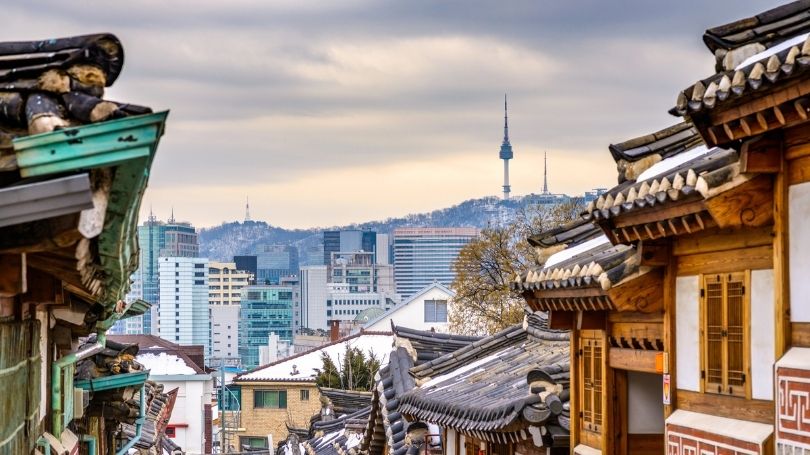
When planning your trip to Seoul, it's important not to think of the city as just a single center; I see Seoul as a city to be explored in layers, encompassing palaces, neighborhoods, markets, the riverside, and the nightlife. For a first-time visitor, three full days are ideal; two days are enough to capture the main atmosphere, and four or five days are suitable for Hongdae, Seongsu, Gangnam, and the Han River...
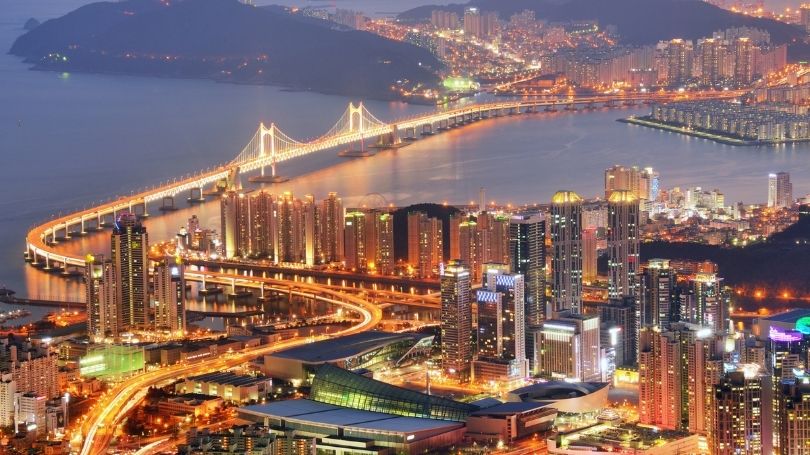
One of the most captivating destinations in the Far East, South Korea offers an incredible diversity, from the golden roofs of ancient palaces to modern towers that pierce the sky, from mist-shrouded mountain peaks to beckoning beaches with their blue waters. This country, where traditional hanok neighborhoods coexist with futuristic districts, appeals to both history buffs and adventure seekers...
Seoul, one of Asia's most captivating metropolises, is a city that seamlessly blends its past and future, concealing a new story around every corner. Skyscrapers rising alongside centuries-old palaces and silent temples reveal the city's ever-flowing energy and multifaceted identity. From the magnificent legacy of the Joseon dynasty to the K-pop phenomenon that has swept the world...
Write a Comment
Visitor Comments - 0 Comments