
Things to See in Drama: 1, 2 and 3-Day Itineraries and Current Prices (2026)
Drama My first suggestion is not to think of the city as a long "list of places to see." It's a place that gains meaning through a few important historical buildings, abundant water, green spaces, and a powerful natural landscape that changes the moment you step outside the city. Therefore, I'm structuring the route with the same logic: first, explore the center of Drama on foot, then allocate time for the Aggitis Cave, Falakro, and the forested areas.
Drama's Kavala, ve Thessaloniki I think the fact that it doesn't have such large tourist crowds is also an advantage. Instead of rushing from one place to another in the center, lingering around Agia Varvara, taking a coffee break in the square, and exploring the side streets allows you to get a better understanding of the city. In fact, Drama's official tourism promotions highlight its water resources, parks, wine culture, and surrounding nature as its core characteristics.
Places to visit in Drama
Agia Varvara Springs and Park
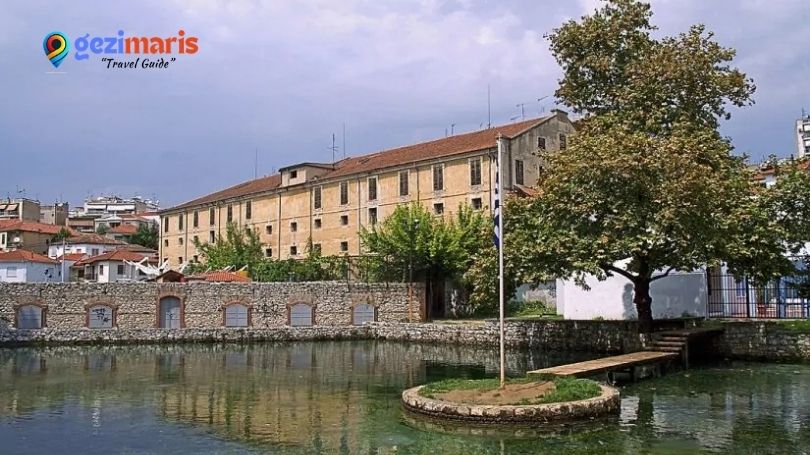
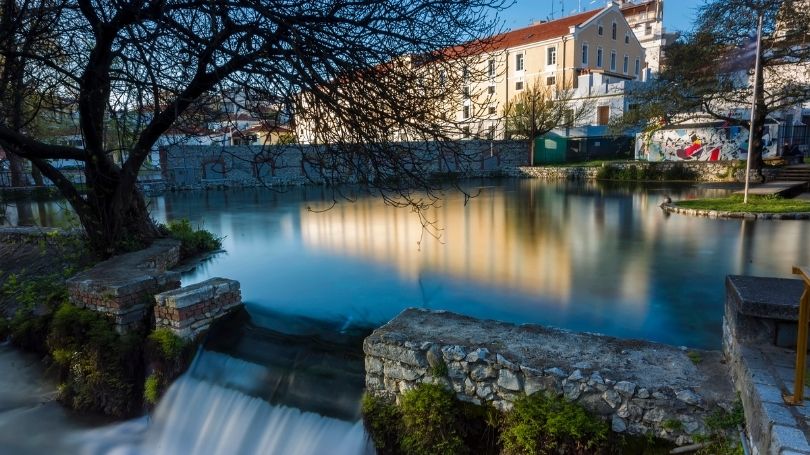
If I had to choose just one place in Drama, I would put Agia Varvara at the top of the list. Not just because it's a beautiful park, but because it truly gives you a much better understanding of what it means for Drama to be known as the "city of water."
Ponds formed by springs, wooden bridges, large plane trees, and old watermills create a very tranquil area right next to the city center. It's especially worthwhile to dedicate the morning hours to this area. There's no fee to walk around the park, and it's one of the best places to spend time on a short city tour without breaking the bank. Agia Varvara is also listed as one of Drama's main stops on Greece's official tourist routes.
I wouldn't rush the program too much. Instead of spending only 20 minutes in the park and leaving, it's better to leave at least an hour, including the surrounding streets.
Freedom Square
After Agia Varvara, I would head towards Plateia Eleftherias, the heart of Drama's daily life. The square itself isn't a grand "monument," but it's one of the best places to understand the city's rhythm.
In Drama, the cafes around the square become particularly lively in the afternoons and evenings. Interrupting my city center tour here, having a coffee, and then walking to the historical buildings is the most logical order for my planned route.
Walking around the square is free. Many points in the center of Drama are within walking distance from here, making it more convenient to park your car and walk instead of constantly moving it around.
Drama Archaeology Museum
With so many traces of antiquity, including caves and prehistoric settlements, surrounding Drama, I don't think it's right to skip the Archaeological Museum. Since the museum isn't very large, there's no worry about losing half a day.
The collection spans from the Middle Paleolithic period to recent history. Seeing some of the finds from around Aggitis Cave here makes the history of the region more meaningful when you visit the cave the next day.
For full entry in 2026 5 € It is necessary to reserve a ticket. Discounted ticket. 3 €The museum is open from 8:00 AM to 8:00 PM during the summer months (late April to late October), with opening hours at 11:00 AM on Tuesdays. The last entry is approximately 20 minutes before closing time.
I think 5 euros is one of the most reasonable entrance fees paid in Drama. And when you incorporate the museum into your city center walk, you don't even have to worry about transportation costs.
The Byzantine Walls of Drama
One of the things that interested me in the center of Drama was the remnants of the city's ancient defense system. Today, you don't see a complete castle. Therefore, it should be visited not with the expectation of seeing a "giant castle," but to understand the city's medieval boundaries.
There is evidence that the walls were renovated in the 10th and 11th centuries, and the old city had a defensive line with two gates and fortified towers.
There's no entrance fee. I would include this as part of a walk around Hagia Sophia and the old city center, rather than as a separate excursion.
Church of Agia Sophia
If you are interested in the old town of Drama, it makes sense to see Hagia Sophia along with the city walls. The structure is among the city's important Byzantine monuments, and the Drama Regional Administration specifically lists Hagia Sophia among the historical buildings that should be seen in the city.
You don't need to spend a long time here. A quiet 20-30 minute visit, including the surroundings, might suffice. Being more mindful inside during prayer times, asking permission before taking photos, and wearing clothing that covers the shoulders are simple rules I recommend implementing in religious buildings.
Shadirvan Mosque
To understand Drama's history solely through its Byzantine and Orthodox structures would be incomplete. The Şadırvan Mosque in the city center is one of the significant remnants of the Ottoman era that has survived to the present day.
The restored building is now used for cultural purposes. The decorations on the exterior and the minaret, in particular, are details that can tell the multifaceted history of the city in just a few minutes. Greece The building is also included in the tourism route and is among the historical stops recommended to be seen in the center of Drama.
I would add it to the route during a walk around the square and the old town. No separate vehicle trip is necessary.
Marble House and Photography Museum
For those interested in historic mansions around Agia Varvara, one of the buildings that will attract their attention is the old Anastasiadis residence, also known as the Marble House.
This is more than just a beautifully facaded mansion. With its collection focusing on Drama's photographic memory, it brings together old images of the city and the development of photography. It is also featured on the Ministry of Culture's Cultural Egnatia route as the Marble House, Photography and Camera Museum.
It's a good idea to adjust your schedule for this stop to coincide with your visit day. Since exhibition and access conditions can change seasonally, I prefer to check on the same day before starting your walk in the city center.
Drama Train Museum
Even for someone completely uninterested in trains, the Drama Train Museum can be a surprisingly different stop. The collection surrounding the old railway station and freight depot makes visible the story of Drama's transportation in the 19th and 20th centuries.
I especially categorize this place as a destination for families with children and those interested in industrial history. The most important thing here is the opening hours. The museum is not open all day. As of 2026, normal visiting hours are Tuesday, Thursday, and Saturday. 10.00-12.00It is closed on Mondays, Wednesdays, Fridays, and Sundays. Official museum information also states that it is closed on holidays.
Therefore, instead of leaving it at "I'll go in if I happen to be in the area," it makes more sense to add the museum to your morning itinerary.
Aggitis Cave
If I were to take just one trip outside of Drama, I would choose the Aggitis Cave. Located about 25 kilometers outside of Drama, the Aggitis River flows through the cave, and the visiting route runs alongside it. The section open to visitors is approximately 500 meters long.
The price here is also clear enough to factor into your 2026 plans: full adult ticket. 7 €, discounted ticket 4 €.
If you are going as two adults, the total for the cave 14 € You just need to set aside some time. If you also add the Drama Archaeology Museum to the same tour, the total cost for these two paid points will be for two people. 24 € is happening.
The inside of the cave is noticeably cooler than the outside. Even in summer, I always make sure to bring a light jacket. Non-slip shoes suitable for walking on the floor are also a better choice than sandals or flip-flops.
Falakro Mountain and Ski Center
For those visiting Drama in winter, Falakro offers a completely different route. Accessible by car in about 45 minutes from the city, the ski resort boasts slopes suitable for various skill levels. Reaching an altitude of 2.232 meters, it's one of the most challenging winter ski resorts around Drama.
I don't think it's accurate to give a fixed figure for 2026 ski tickets here because conditions can change throughout the season depending on operating days, snow conditions, and the lifts that are in operation.
Even if you don't plan on skiing, Falakro is worth considering for its mountain views on a winter day when it's open. However, it's more convenient to dedicate a half-day or full-day trip to it rather than trying to squeeze it into a day with a visit to the city center.
Elatia Forest
One of Drama's real surprises begins when you head north from the city. Elatia, about 70 kilometers from the center of Drama, is one of the most special areas in Greece where you can see spruce forests. The forest village is surrounded by hiking trails, streams, and dense vegetation.
I don't see Elatia as just a "two-hour stopover" during a city tour. It's better to leave in the morning and spend most of the day here.
Another important issue is fuel and preparation. Before heading north, you need to fill up your tank and take water and food with you. Don't expect to find as many facilities in the forest area as you're used to in the city. The official local tourist guide also highlights the area around Sidironero as one of the last preparation points when heading towards Elatia.
Fracto Copper Forest
Frakto is the wildest and most challenging part of a trip to Drama. It's no ordinary city park or day-trip picnic area. A protected natural monument since 1980, it's considered one of the most important unspoiled forest ecosystems in Europe.
I wouldn't recommend Frakto to anyone visiting Drama for the first time with only two days. The journey is long, the area is isolated, and the natural conditions are very different from the easier routes around the city. However, if you're specifically coming to Drama for hiking, it can become one of the most valuable highlights of your trip.
Downloading offline maps without relying on phone reception, packing a full tank of gas, and checking weather conditions beforehand are really important here.
Monastery of Panagia Eikosifoinissa
If you want to dedicate time to religious buildings around Drama, Panagia Eikosifoinissa should be considered separately from the churches in the city center. Monastery It is located on the northern slope of Mount Pangaio, at an altitude of approximately 750 meters, and is under the jurisdiction of the Metropolitanate of Drama.
I think the real beauty of seeing this place isn't just in the structure, but also in the mountain road and the surrounding scenery. It's more suitable for a half-day driving route than a central stop that you can quickly visit and leave.
When going to a monastery, it's important to remember that you are entering a religious place. Choosing clothing that covers the shoulders and knees and remaining silent during worship is sufficient.
Vineyards of Drama
Wine production is a serious part of the culture around Drama. Therefore, I think adding a vineyard or winery to the itinerary after the nature and historical buildings makes the city look more complete.
Drama's official wine route forms a path of approximately 42 kilometers, connecting different producers in the region that are open to visitors. Tours and tastings at the wineries are usually by reservation.
Château Nico Lazaridi is also one of the region's well-known producers. However, since the contents of tasting packages can vary, it's better to clarify the scope of the tasting and the total price when making a reservation rather than planning with a fixed price.
If you're going to be driving, setting limits on food tasting upfront or designating a driver is one of the most important practical details of the route.
Oneiroupoli
If you're visiting Drama in December, your travel plans change completely. Oneiroupoli is less of a year-round theme park and more of a large Christmas event set up annually around Drama City Hall and Freedom Square.
2026-2027 season December 4, 2026 to January 3, 2027 It will be organized between [dates]. Entry to the programs and activities in the event area is free.
This is one of the most enjoyable times to visit Drama for families with children. However, it also naturally gets more crowded. If you're coming in December, it's best not to leave your accommodation bookings until the last minute.
1, 2 and 3-Day Tour Itineraries in Drama
| Süre | The plan I proposed |
|---|---|
| 1 days | Agia Varvara – Marble House – Archaeological Museum – Freedom Square – Byzantine Walls – Agia Sophia – Fountain Mosque |
| 2 days | Day one: city center. Day two: Aggitis Cave in the morning, vineyards around Drama or the Prosotsani area in the afternoon. |
| 3 days | In addition to the first two days, depending on the season, you can visit Elatia Forest, Falakro or Panagia Eikosifoinissa. |
| 3 nature-focused days | Drama center – Aggitis – Elatia and surrounding area. I will dedicate more time and preparation to Frakto. |
It's possible to explore the drama center on foot in the same day. I also recommend that those arriving by car leave their vehicle and walk instead of constantly changing parking spots in the center. However, from Aggitis onwards, a car offers a significant advantage.
Examples of Current Admission Fees for Drama in 2026
The great thing about Drama is that exploring the city center isn't expensive. Many of the best outdoor spots have no entrance fee.
| Yer | My budget for 2026 |
|---|---|
| Agia Varvara Park | Free |
| Freedom Square and the central march | Free |
| Byzantine Walls | Free |
| Drama Archaeology Museum | Full price 5 euros, discounted 3 euros |
| Aggitis Cave | Full price 7 euros, discounted 4 euros |
| Oneiroupoli 2026-2027 | Admission and events are free. |
For an adult visiting the museum and cave on the same route, the total cost is two main entrances. 12 €For two adults 24 € It is sufficient to set aside some money. This does not include food, drink, and transportation expenses.
What would I pay attention to while visiting Drama?
The biggest mistake in the center of Drama is to consider the sights as independent entities. Gathering Agia Varvara, the Marble House, the city center, historical buildings, and the museum on the same walking route reduces unnecessary use of vehicles.
The opposite is true for nature routes. While Aggitis can be an easy half-day trip, Elatia and especially Frakto require more serious preparation. It's important to refuel before leaving the city, use offline maps, carry water, and check the weather forecast in mountainous areas.
If you're going to Oneiroupoli in December, the town is busier than usual. If you're planning to go into the cave in summer, don't be fooled by the outside temperature and leave your thin coat at the hotel. Similarly, if you're going to Falakros in winter, checking only the weather forecast in Drama city center won't be enough.
How many days does it take to visit Drama?
If you're only interested in the city center, one day is enough. I was there for my first visit. 2 days I find it more logical to split the trip. That way you can spend the first day in the center of Drama and leave the second day for Aggitis Cave and surrounding routes.
If you're also interested in hiking, forests, and wine routes, 3 days is a more balanced option. If you plan to add Frakto to your itinerary, you may need to extend the trip even further.
Is it worth going to see a drama?
I think when evaluating Drama, it's important not to compare it to Kavala, Thessaloniki, or the Greek islands. You're not coming here for a beach holiday or a big city tour. Drama's strength lies elsewhere: a tranquil center built around water sources, an impressive river cave nearby, mountains, vineyards, and forests that become increasingly wild as you travel north.
Drama can be a particularly nice surprise if you can add an extra day or two to your Kavala or Northern Greece itinerary. Instead of just a day trip to the center, I'd prefer to stay at least one night and include Aggitis in my itinerary.
Frequently Asked Questions
What's the best place in Drama?
In the city center, my first choice would be the Agia Varvara Springs. If you can go outside the city, the Aggitis Cave is also one of the best stops around Drama.
Are there any free attractions to visit in Drama?
The parks, squares, and many historical sites in the city center are free. As of 2026, a full ticket to the Drama Archaeological Museum will cost 5 euros, and a full ticket to the Aggitis Cave will cost 7 euros.
Is Aggitis Cave far from Drama?
The cave is located approximately 25 kilometers outside of Drama. Driving is the most convenient option.
Is Oneiroupoli always open?
No. Oneiroupoli is a seasonal event held during the Christmas season. The 2026-2027 edition will take place between December 4, 2026 and January 3, 2027.
Are tools necessary for drama?
It's not necessary for exploring the city center. However, if you want to visit places outside the city, such as Aggitis, Falakro, Elatia, Frakto, and the monastery, a car is a great convenience.
I don't think it's accurate to describe Drama as a "see 35 places, take photos, move on to the next" city. Choosing fewer places and visiting them in the right order yields much better results.
For a first-time visitor, I would build the backbone of the route around Agia Varvara, the center of Drama, the Archaeological Museum, and the Aggitis Cave. In the second stage, depending on the season, I would add the vineyards, Falakro, or Elatia. With this planning, Drama ceases to be a city easily overlooked between Kavala and Thessaloniki and becomes one of the most characterful stops on the Northern Greece route.
PREVIOUS TOPIC

I'm a travel writer living in Izmir with my daughter. For me, travel is more than just a vacation; it's a way to get to know the world up close. That's why I see every place I write about with my own eyes and walk the streets myself. On the one hand, thanks to the trips I take with my daughter, I know the practical side of family travel well, and on the other hand, I eagerly observe local life, cuisine, and lesser-known routes. At Gezimaris, I simplify these experiences and transform them into plannable, realistic, and inspiring guides.
Write a Comment
Visitor Comments - 0 Comments