
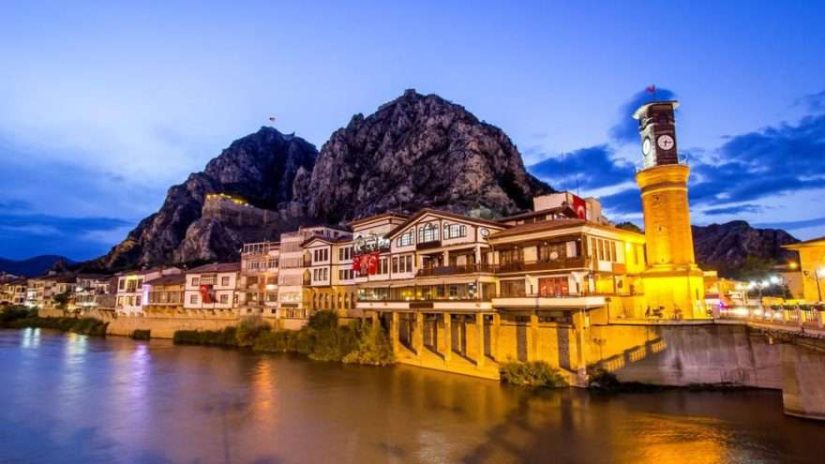
Places to Visit in Amasya: Must-See Spots in the City of Princes
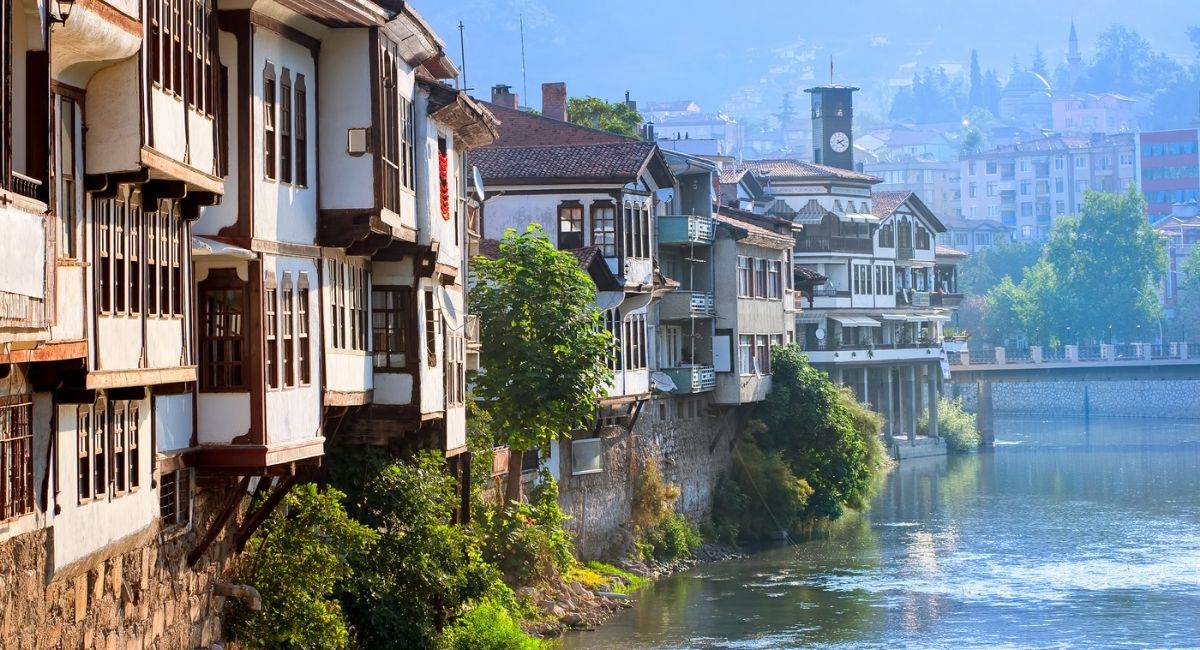
I live in Gaziantep and whenever I get the chance... TurkeyHaving traveled to various cities in Turkey, I had long been curious about Amasya. The Yeşilırmak River, the old mansions along its banks, and the rock tombs rising behind them, as seen in photographs, set the city apart from other Anatolian cities. Upon arriving in Amasya, I realized the photographs hadn't done the city a disservice. In fact, the scenery I encountered, especially in the evening, was even more impressive than I expected.
After experiencing Gaziantep's vibrant, expansive, and gastronomy-focused city... Amasya It felt like a calmer, more compact city to me, easier to explore on foot. You often don't need a vehicle to get from one point to another here. Walking along the Yeşilırmak River, you can come across a historical mosque, an old mansion, or a museum within minutes.
A single day might be enough to quickly see Amasya, but I recommend allocating at least two days. The second day is especially convenient if you plan to include Lake Boraboy in your itinerary.
Historical Places to Visit in Amasya
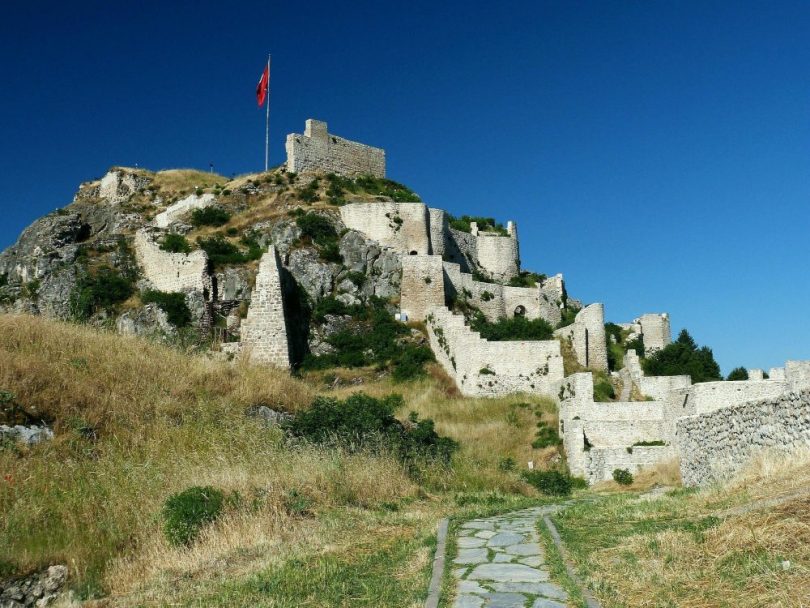
Amasya Castle
If you want to see Amasya from above, my first recommendation is Amasya Castle. Even when viewed from the city center, the castle on the summit of Mount Harşena looks quite imposing. However, when I climbed to the top, I realized that the truly impressive aspect was not the walls themselves, but the view.
The Yeşilırmak valley, the Yalıboyu Houses, and the city center all fit into almost a single frame from here. The stairs and sloping sections at the exit can be challenging in hot weather. I would definitely avoid going during midday in the summer. Early mornings or the time approaching sunset are much more enjoyable.
Comfortable shoes really make a difference here. Don't be fooled by the flat walks in the city center and try to climb to the castle in everyday thin-soled shoes. The source material also specifically mentions that there are stone and metal stairs leading up to the castle.
King Rock Tombs
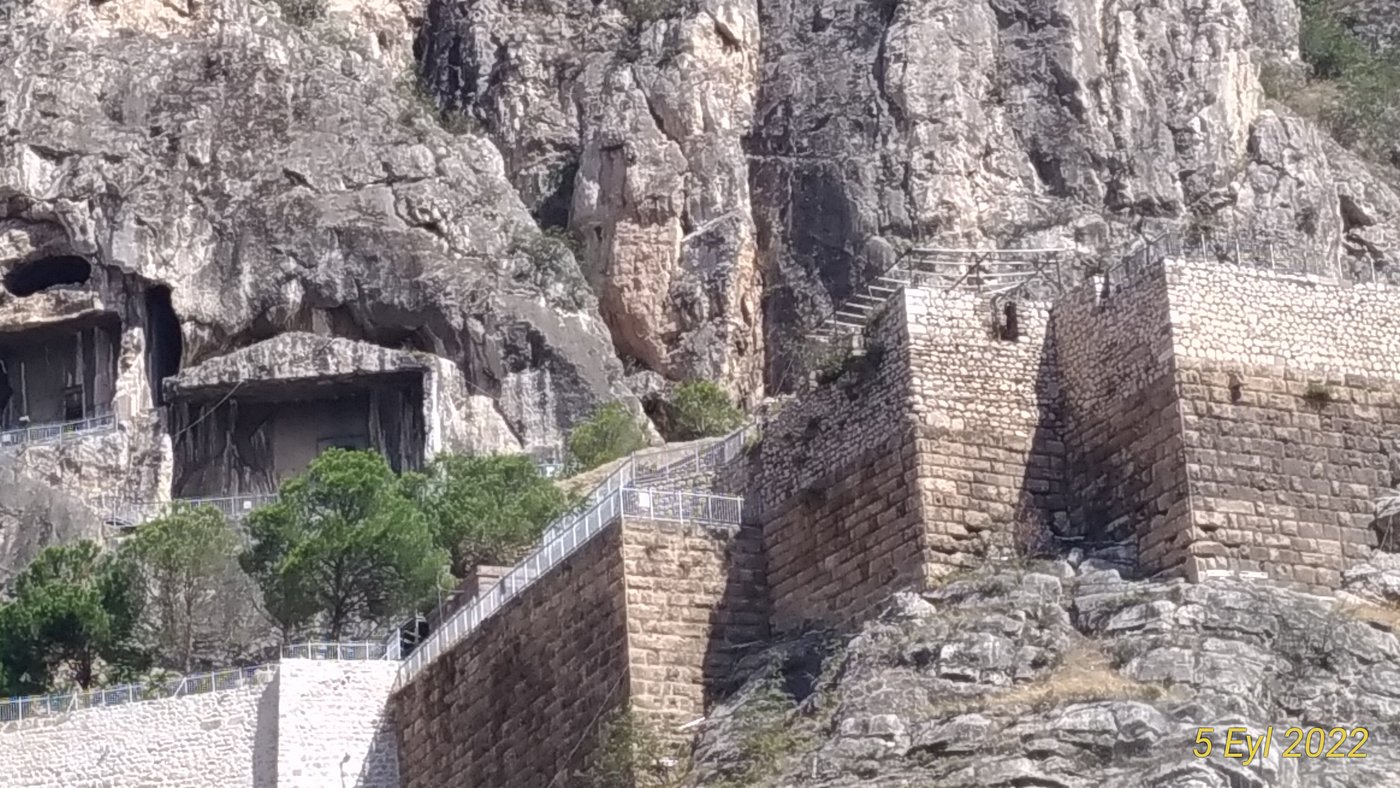
When Amasya is mentioned, the first place that comes to my mind is the King Rock Tombs. Carved into the rocky face of Mount Harşena, these tombs date back to the Pontus period and are one of the most important structures defining the city's silhouette.
As I got closer to the tombs, I realized they were larger than I had anticipated looking at them from the city. But a significant part of the experience here is climbing the stairs. Even if you're just looking to take photos, the view from the opposite bank is quite satisfying.
The prices I saw for entry in the summer of 2026 were approximately in the 150-200 TL per person range. Since the price can change throughout the year, it's more accurate to consider this a current idea to use when budgeting for your trip, rather than a fixed price. Similar figures were reported for visits in June 2026 as well.
Seaside Houses
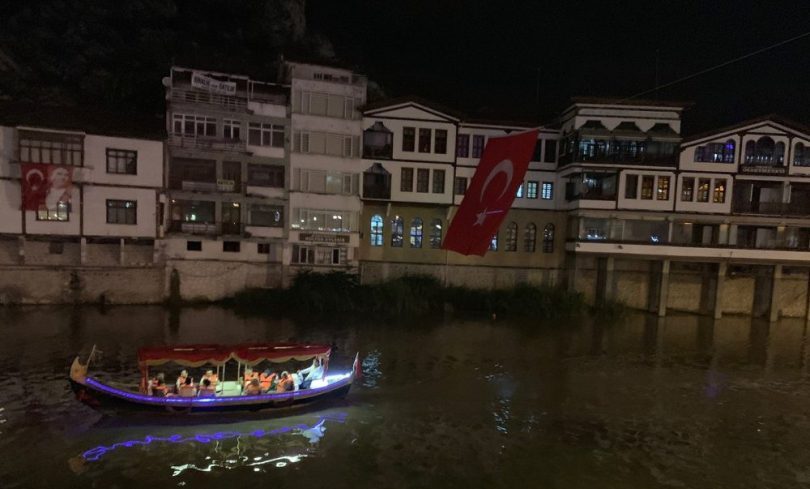
The area where I spent the most time in Amasya was the Yalıboyu Houses along the Yeşilırmak River. The houses, with their white facades, wooden bay windows, and red tiled roofs, line the riverbank one after another.
This isn't just a place to take a few photos and move on. I especially enjoyed walking around in the evening. When darkness falls, the lights of the houses and rock tombs reflect on the Yeşilırmak River. The image is a true reflection of that much-used postcard view of Amasya. A significant portion of the buildings along the waterfront are now used for accommodation or tourism purposes.
If you're staying overnight in Amasya, choosing one of the historic mansions by the river, if possible, significantly changes the way you experience the city.
Kumacik Bath
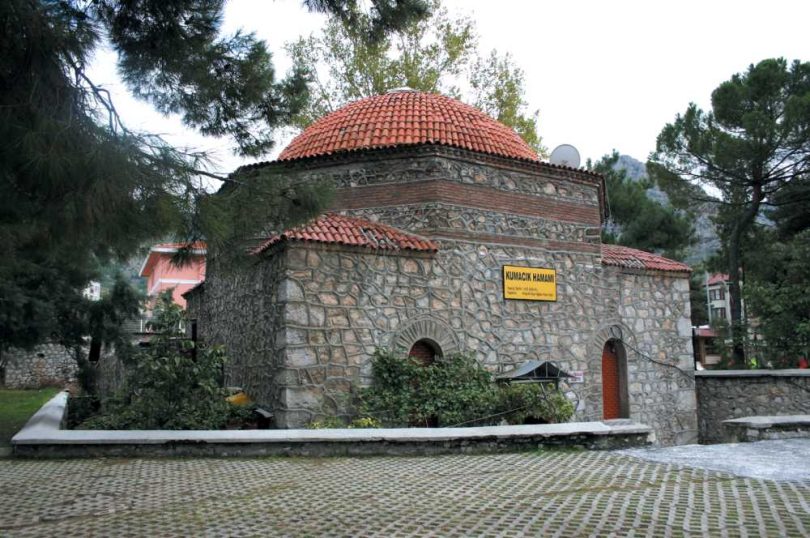
For those wishing to experience Ottoman bathhouse culture in the city, Kumacık Hamam is a unique destination. Dating back to the 16th century, the building embodies the characteristics of classical bathhouse architecture.
After visiting numerous historical sites in Amasya, I found it more logical to place this place in the middle of my list. Following physically demanding sites like the castle and rock tombs, a Turkish bath experience is a welcome way to slow down the pace of the day. The source material also highlights Kumacık Hamam as one of Amasya's oldest Turkish baths.
Ferhat Water Canal
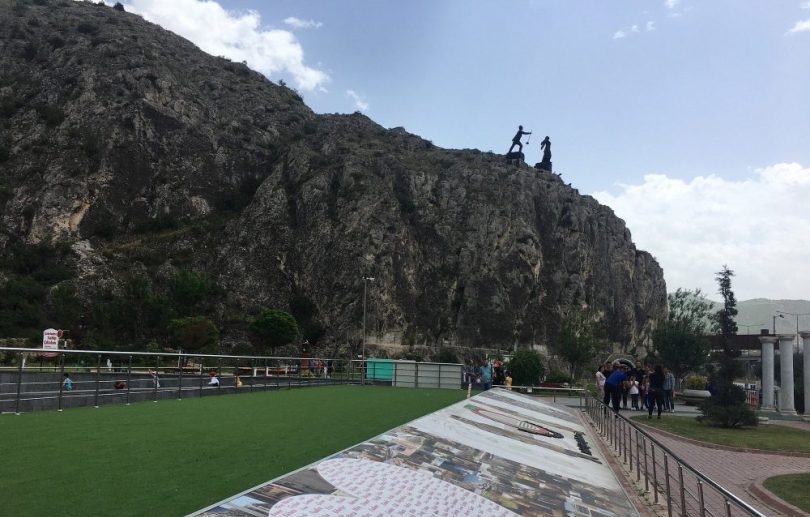
For someone who has known the story of Ferhat and Şirin since childhood, the Ferhat Water Canal in Amasya inevitably sparks curiosity. When I came here, putting the legend aside, what really caught my attention was the ancient engineering.
The water channel carved into the rocks is part of the system that supplied Amasya with water in ancient times. Don't expect to walk the entire length of the channel. The visible and walkable sections are limited.
I found it more appropriate to consider this place not as a long, standalone sightseeing destination, but rather as a half-hour stop along with the Ferhat and Şirin themed area. The source page also recommends visiting both points together.
Bayezid II Mosque and Complex
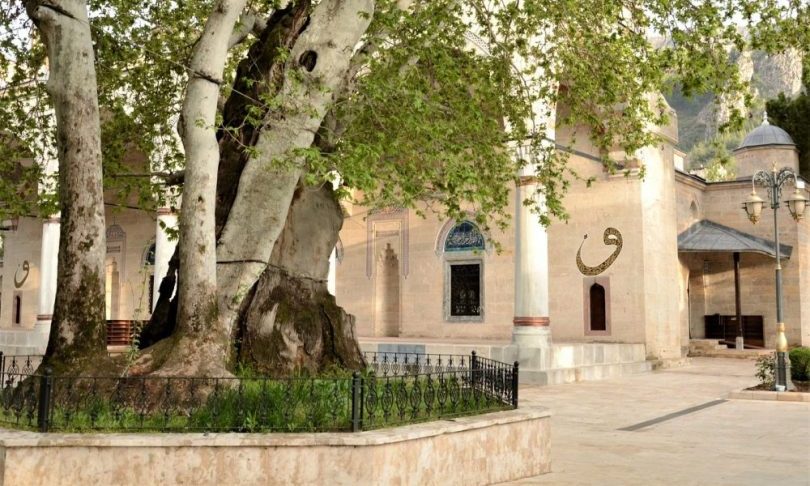
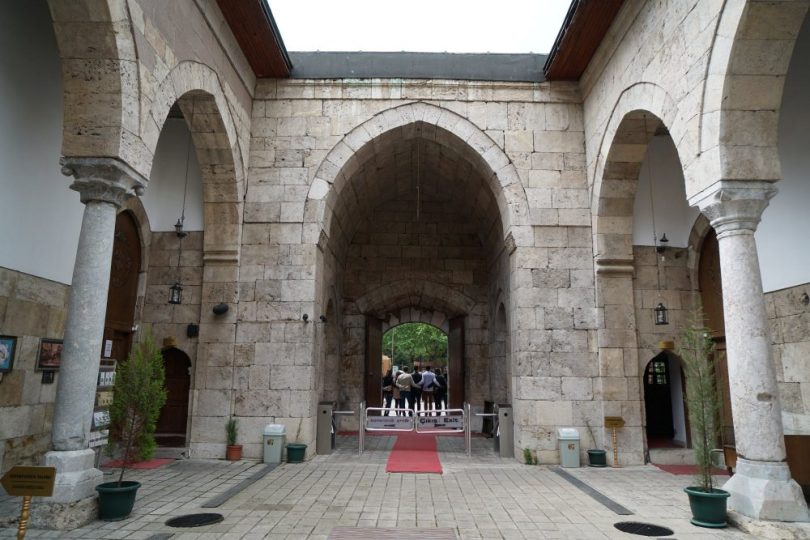
One of the Ottoman structures that impressed me most in Amasya was the Bayezid II Complex. Thanks to its location on the banks of the Yeşilırmak River, you naturally pass through it while walking around the city.
The fact that the complex was built in the late 15th century makes one feel even more the importance of Amasya during the Ottoman period when looking at the structure. As I enter the courtyard, the hustle and bustle of the city outside suddenly subsides. When the mosque, madrasa, and complex are seen together, the structure becomes much more meaningful.
I didn't pay an entrance fee. However, it's important to be extra cautious when visiting for sightseeing, especially during prayer times, as religious services are ongoing.
Bayezid Pasha Mosque
One of the buildings I visited while strolling along the Yeşilırmak River was the Bayezid Pasha Mosque. Dating back to the early 15th century, the mosque shows that Amasya is not solely comprised of large and ostentatious structures.
I particularly liked its location by the river. There's no need to make the mosque visit a separate program; it can easily be incorporated into a walk along the waterfront and the Yeşilırmak River.
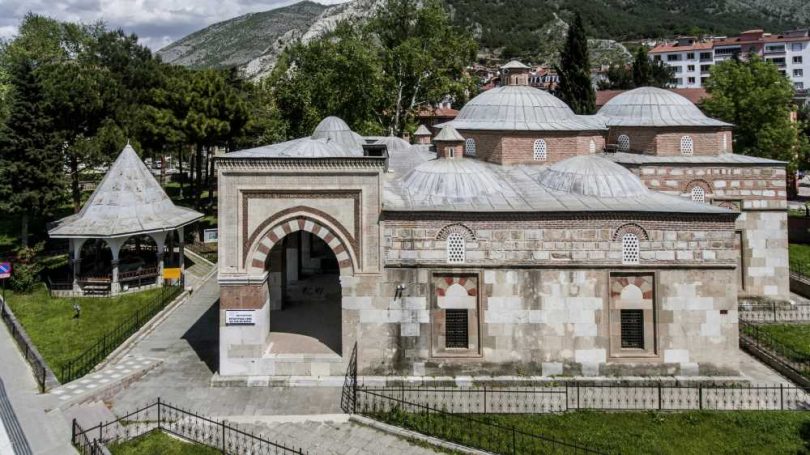
Mehmet Pasha Mosque
In the Mehmet Pasha Mosque, easily accessible from the city center, the feature that caught my attention the most was the marble pulpit. While I perceived the building as simpler from the outside, the stone, marble, and wood craftsmanship became much more apparent upon entering.
If you're interested in architectural details in Amasya, I recommend spending some time inside rather than a quick, short visit.
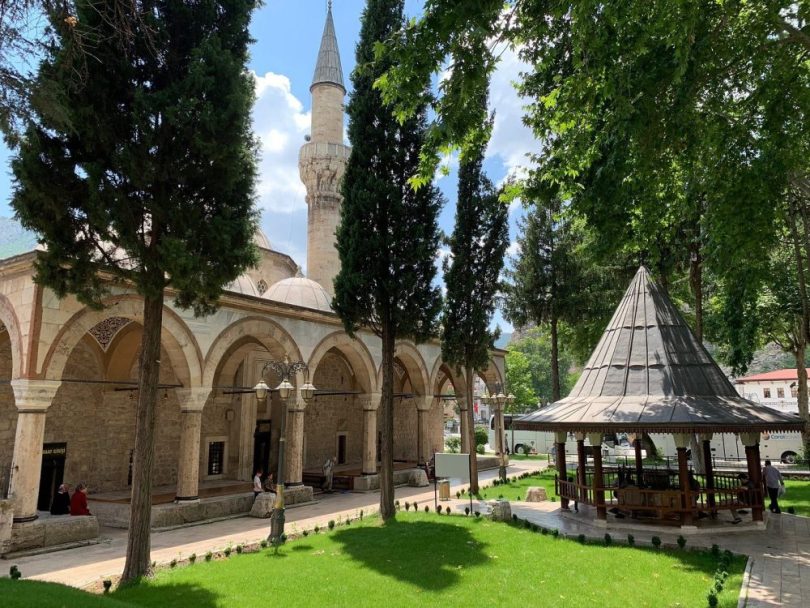
Sky Madrasah
Amasya is mostly described as an Ottoman city, but Seljuk traces are also quite strong in the city. The Gök Medrese (Blue Madrasa) was one of the places I particularly wanted to see in this respect.
A closer look at the decorations on the main gate reveals the details of the structure much better. If you've done a route in Amasya that focuses mainly on mosques and mansions, the Gök Medrese allows you to see a slightly different architectural period.
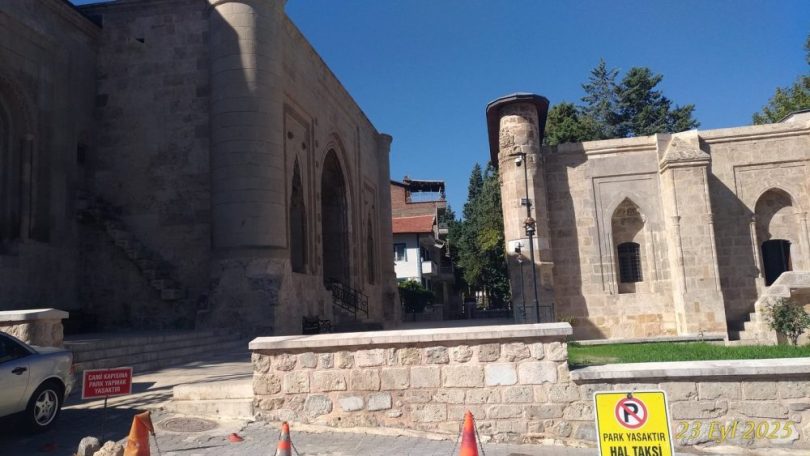
Gumuslu Mosque
Gümüşlü Mosque is one of the smaller landmarks in Amasya that might be overshadowed by the city's larger structures. I deliberately extended my walk through the city center by a few minutes to visit it.
A short visit is sufficient. It can be added to your itinerary, especially if you are interested in Ottoman religious architecture.
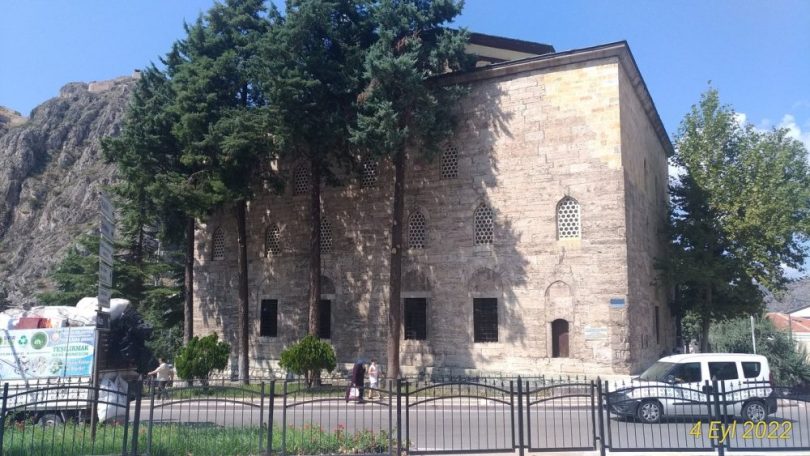
Yorguc Pasha Mosque
Yörgüç Pasha Mosque is one of the remarkable examples of early Ottoman architecture in Amasya. Built in the 15th century, the building is still open for worship today.
Here, I appreciated the stonework and the tranquil atmosphere of the building more than its ostentation. For those wishing to visit historical mosques in Amasya, this is one of the structures I would consider after the Bayezid II Complex.
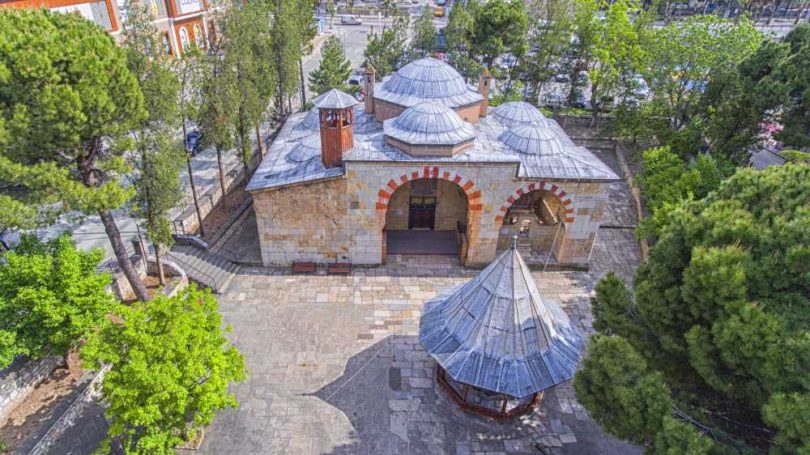
Büyükağa Madrasah
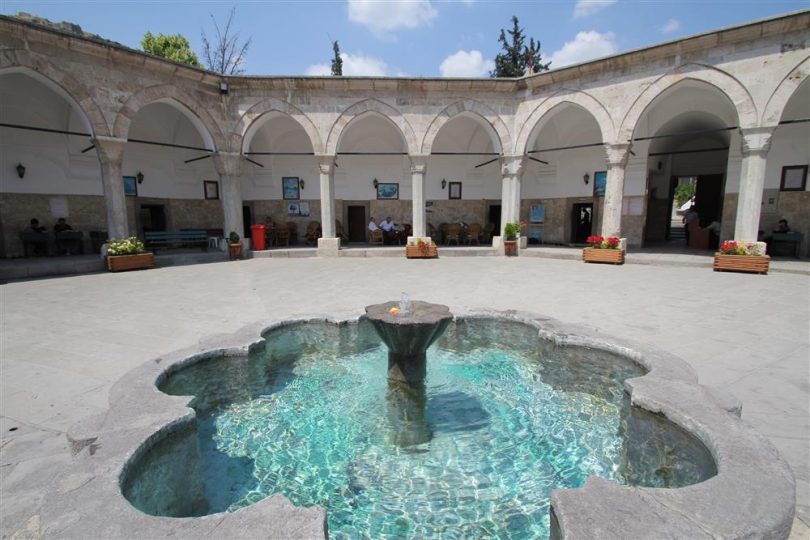
When I entered the Büyükağa Madrasa, the part I liked most was the courtyard. Amasya's city center isn't considered a very crowded city, but even so, entering buildings with courtyards like this immediately takes you away from the noise of the city outside.
This is a quiet and time-efficient stop that can be added to your itinerary for those wishing to see Ottoman educational architecture.
Museums to Visit in Amasya
Amasya Museum
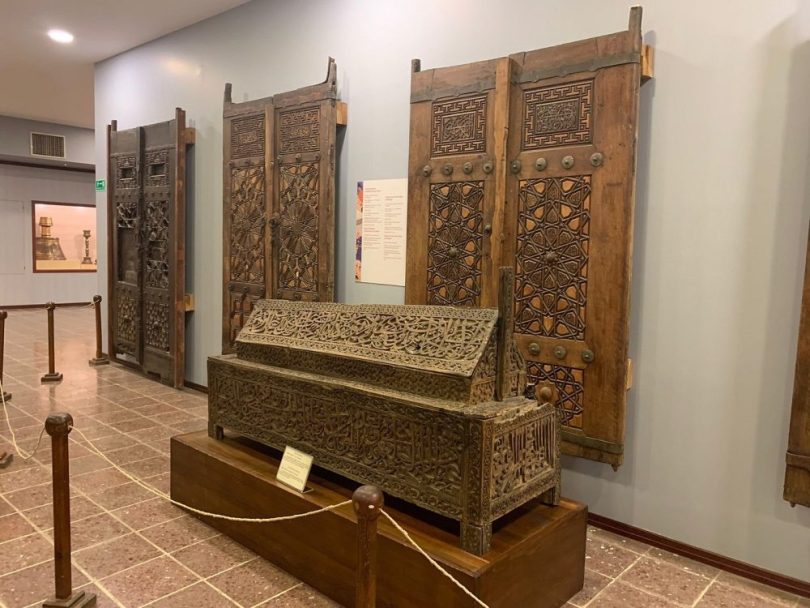
If I could only dedicate my time to one museum in Amasya, I would choose the Amasya Museum. It was the most satisfying place for understanding the city's history chronologically.
Hittite, Phrygian, RomeThe museum houses artifacts from various civilizations, including the Seljuk, Ilkhanid, and Ottoman periods. The section that impressed me the most was the hall containing mummies from the Ilkhanid era. The Elmalı Floor Mosaic is also a must-see exhibit in the museum. According to the Ministry's current information, the museum is open every day, but visitors are not admitted between 12:00 and 13:00.
in the 2026 MuseumCard Considering the amount I paid, I didn't bother calculating the ticket prices individually here. For Turkish citizens, the annual Museum Card costs 200 TL and is valid at the Amasya Museum. For foreign visitors, the current entrance fee to the museum is 3 euros.
Hazeranlar Mansion
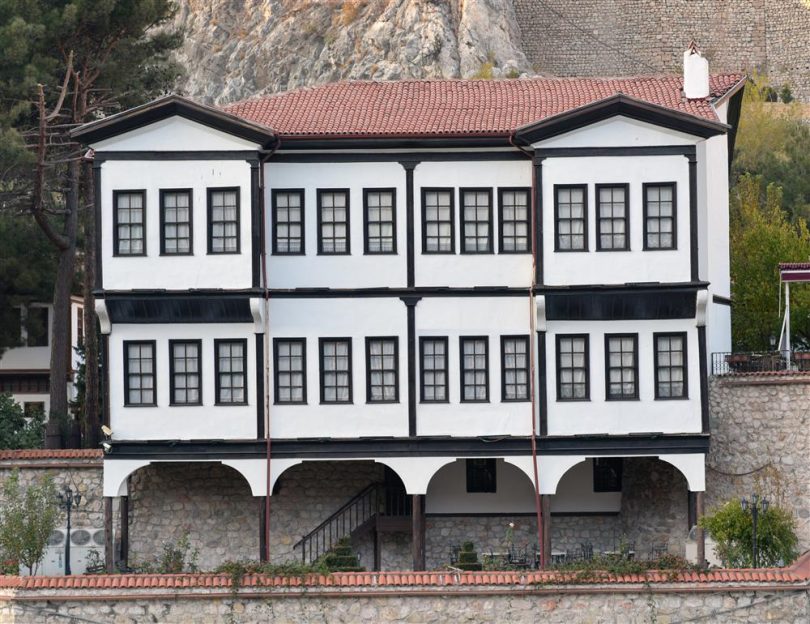
Located among the Yalıboyu Houses, Hazeranlar Mansion is one of the important buildings for closely observing Amasya's civil architecture. The mansion's rooms and traditional house layout are normally very valuable for understanding the daily life of Amasya in the past.
However, there's an important detail to note when planning your trip in the summer of 2026: Hazeranlar Mansion is currently closed to visitors. Therefore, I wouldn't plan my itinerary to include an interior visit. While it's possible to see it from the outside during a walk along the waterfront, setting aside specific times before the opening date is confirmed might be unnecessary. The Ministry of Culture and Tourism's current museum registry also lists the facility as "closed."
Sabuncuoğlu Şerefeddin Museum of the History of Medicine and Surgery
For me, one of the most unique museum experiences in Amasya was the Sabuncuoğlu Şerefeddin Museum of Medical and Surgical History.
The museum is located in the historic Bimarhane building. Inside, there are antique surgical instruments, treatment methods, and reenactments related to medicine of that era. The building itself is worth seeing. In the past, this was not only a place where treatment was provided, but also one of the important centers where medical education was conducted.
Even if you don't have a particular interest in the history of medicine, it's worth setting aside about 45 minutes.
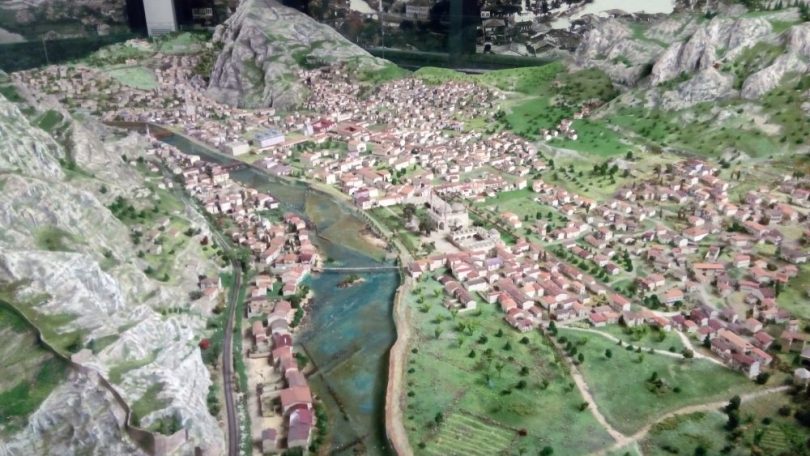
Miniature Amasya Museum
One of the places that makes sense to visit before starting your city tour is the Miniature Amasya Museum. Seeing Amasya's important buildings together on a small scale makes it easier to understand where each building is located while walking around the city afterwards.
I particularly liked the lighting section that transitioned from day to night. It's not a huge museum, but the presentation is entertaining. In the summer of 2026, the entrance fee was around 50 TL, and the Museum Card wasn't accepted.
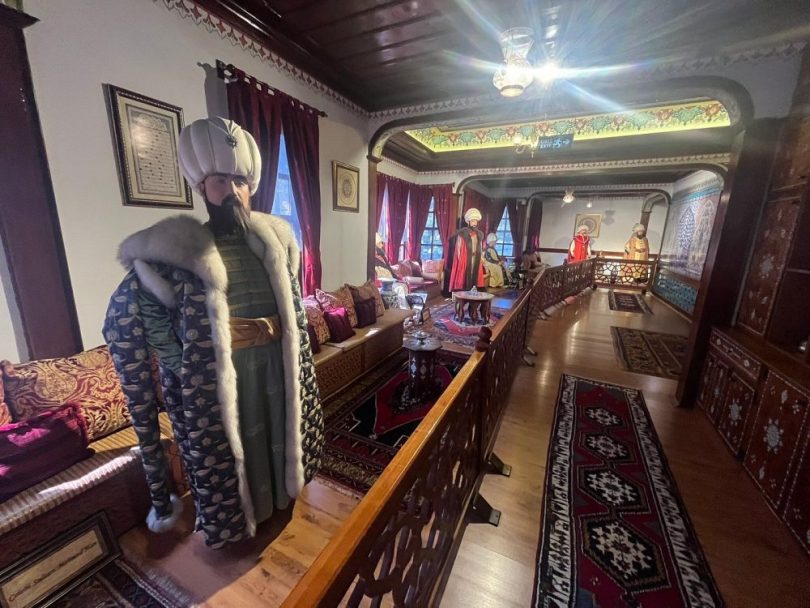
Museum of Princes
To understand why Amasya is known as the "City of Princes," you need to visit the Princes Museum.
Inside the two-story wooden building, wax figures depict princes who served as governors in Amasya and later became sultans on the Ottoman throne. I particularly appreciated seeing the connection between Amasya and figures like Mehmed the Conqueror, Selim I, and Prince Mustafa all in one place, which helped me better understand the city's place in Ottoman history.
At the current price level at the end of August 2026, approximately 50 TL was sufficient for entry. Museum Card is not accepted here.
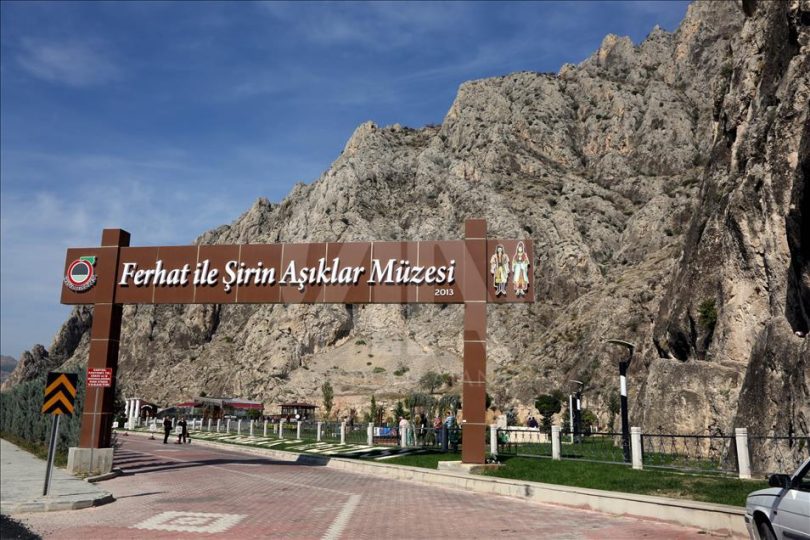
Ferhat and Shirin Lovers Museum
The museum, which tells the story of Ferhat and Şirin through thematic rooms and reenactments, can be considered as part of a tour that also includes the Ferhat Water Canal.
When planning a trip to this area, I particularly recommend confirming the opening hours beforehand. Some visitors found the doors closed even though it appeared to be open in the summer of 2026. Therefore, it's more sensible to consider visiting the canal along with the museum, rather than just going outside the city center for that reason.
Saraydüzü Barracks Building
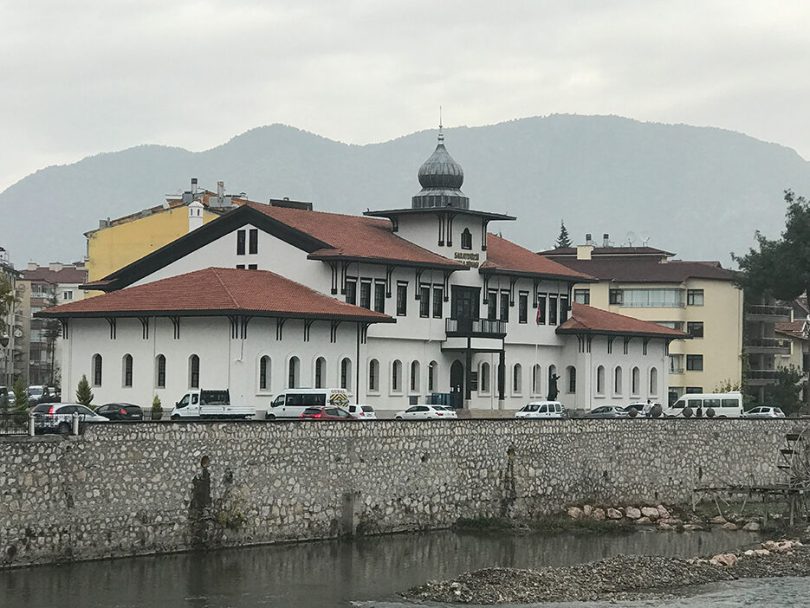
If you want to see Amasya's importance not only in Ottoman history but also in the history of the Republic, I recommend you visit the Saraydüzü Barracks Building.
The process of Mustafa Kemal Pasha's arrival in Amasya in 1919 and the Amasya Declaration are described here. Currently, sections of the building are used as the Provincial Public Library, while the top floor houses the National Struggle Hall. Thanks to the documents and wax figures from that period, it becomes a short but meaningful visit.
Natural Places to Visit in Amasya
Boraboy Lake Nature Park
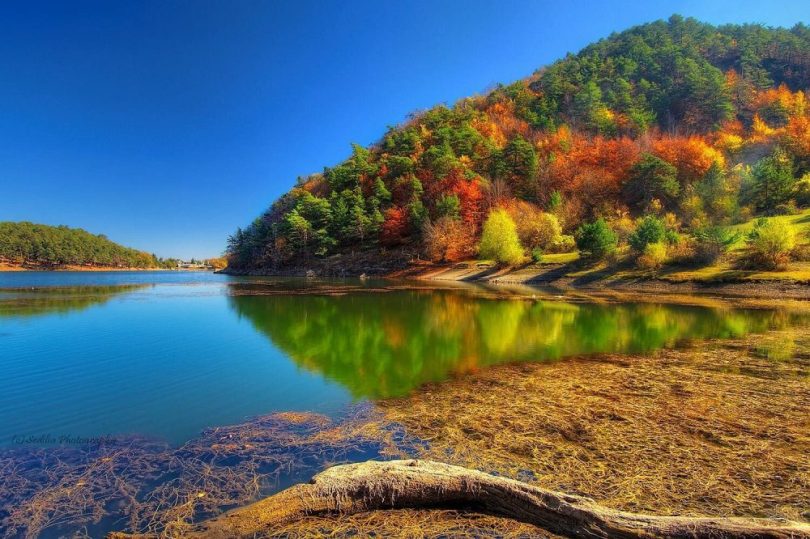
When I wanted to leave Amasya city center and immerse myself in nature, I turned my route towards Boraboy Lake. The lake, on the Taşova side, offers a completely different day from the historical atmosphere of the city center.
Surrounded by forests, you can hike around the lake, have a picnic, or if you want to stay longer, consider camping and accommodation options. I think it's better to include this place on the second day of your Amasya trip. Trying to squeeze it into the same day as visiting the city center makes the trip unnecessarily rushed. The source content also highlights Boraboy as a key nature stop outside the city center.
In the summer of 2026, you had to be prepared to pay around 190-195 TL to enter by car. Camping was around 500 TL, and a pedal boat on the lake was around 400 TL. In nature parks like this, I prefer to factor in not only the entrance fee but also the activities I'll do inside beforehand.
Another practical detail concerns payment. As of July 2026, credit card payments will be accepted at all buffets, restaurants, accommodations, and pedal boat services in Boraboy.
Princes' Walking Path
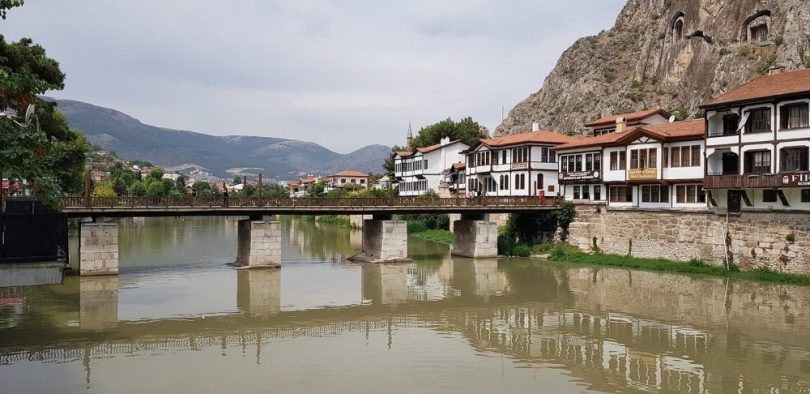
One of the best free things you can do in Amasya is walk along the Yeşilırmak River.
The section between the Station Bridge and the Government Bridge has become one of my favorite walking routes in the city. On one side is the river, opposite are the Yalıboyu Houses, and above are the rock tombs.
I particularly prefer to start walking half an hour before sunset and continue until it gets dark. This way, you can see both the daytime and nighttime illuminations of Amasya in the same walk.
Pirler Park
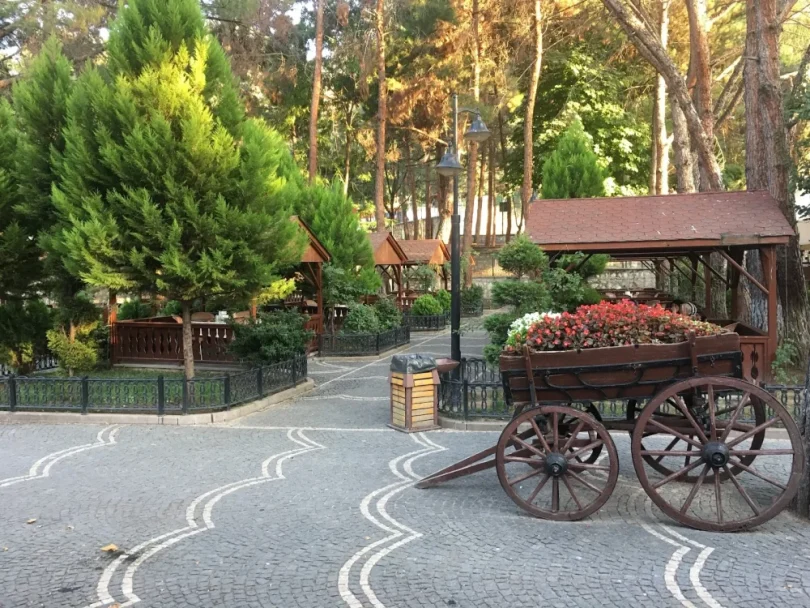
When I want to take a short break in the middle of a busy history tour, green spaces within the city, such as Pirler Park, are a welcome relief.
I wouldn't say it's a tourist spot that requires a lot of travel, but if you're walking around the city center, it's a very convenient place to take a break. It's also a comfortable resting spot for families with children.
What to see in Amasya in 1 days?
If I've only allocated one day to Amasya, I start early in the morning with Amasya Castle. Then I descend to the King Rock Tombs, stroll along the Yalıboyu Houses, and visit the Princes' Museum. In the afternoon, I visit the Bayezid II Complex and the Amasya Museum. And in the evening, I always end up back by the Yeşilırmak River.
The true beauty of the city emerges after dark. When the rock tombs, mansions, and river are illuminated simultaneously, you encounter a city somewhat different from the Amasya you see during the day.
What to see in Amasya in 2 days?
If I have two days, I dedicate the first day entirely to the city center. The Castle, the King's Rock Tombs, the Waterfront, the Princes' Museum, the Amasya Museum, the Sabuncuoğlu Museum, and the Bayezid II Complex already make for a very full day.
On the second day, I'll drive to Boraboy Lake. If I have time on the way back, I'll stop by the area around the Ferhat Water Canal. This way, I'll be able to see both the historical and natural aspects of Amasya at a leisurely pace.
My updated budget notes for a trip to Amasya.
In 2026, Amasya is not one of the most expensive cities in Türkiye in terms of museums. As a Turkish citizen, if I plan to visit a few Ministry museums, I wouldn't hesitate to buy the 200 TL annual Museum Card. Amasya Museum is included in the card. However, smaller museums operated by different institutions, such as the Şehzadeler and Miniatür Amasya museums, may have separate entrance fees of around 50 TL. For the King Rock Tombs, a budget of around 150-200 TL is reasonable. Adding Boraboy to my itinerary with a vehicle only adds an extra cost of around 190-195 TL for vehicle entry.
Since prices can vary throughout the year, especially at municipal establishments, nature parks, and small museums, I prepare my travel budget leaving a few hundred liras for later.
Is Amasya worth visiting?
For me, it's definitely worth it. What makes Amasya special isn't just one building, but the fact that the whole city is part of the same landscape. Walking along the Yeşilırmak River, you see Ottoman mansions, rock tombs over two thousand years old when you look up, and the castle a little further up.
I felt the same strong sense of history in Amasya that I'm used to from Gaziantep, but the two cities have completely different characters. Gaziantep While other cities preserve their history primarily through their bazaars, inns, stone structures, and gastronomy, Amasya tells its history by fitting the river, mountains, and urban fabric into a single frame.
If I were to go to Amasya again, I would stay at least one night. I would stroll along the waterfront in the evening, see the city in its tranquil state early in the morning, and dedicate the second day to Boraboy. Amasya is not a city to be rushed through. Don't let its small size fool you; it reveals so much more when you explore it at your own pace.

Similar Threads
Write a Comment
Visitor Comments - 0 Comments